Peripheral Targeted Pain Relief offers precise, non-surgical treatment to reduce nerve pain, improve mobility, and restore comfort.

Peripheral Targeted Pain Relief offers precise, non-surgical treatment to reduce nerve pain, improve mobility, and restore comfort.
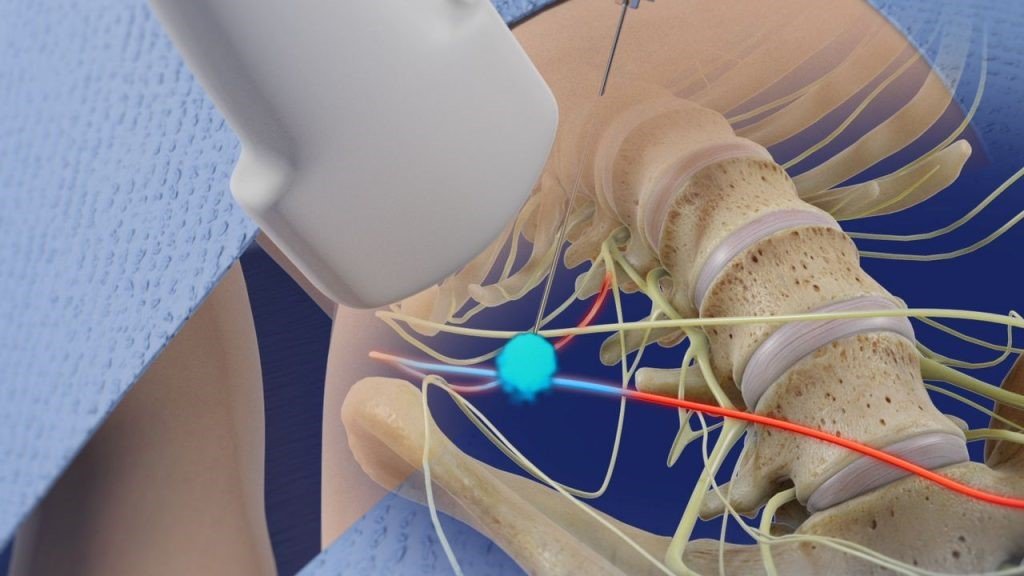
Pain is more than a feeling — sometimes it is a whisper traveling down hidden nerve highways, a signal of distress that’s invisible, misunderstood, and isolating. Peripheral nerve blocks give pain specialists the power to intercept that signal: to silence what should not speak, and bring calm to the restless nervous system.
Whether the pain arises from a nerve entrapment, an injury, chronic inflammation, or post-surgical irritation — nerves carry the burden. The goal is simple but profound: stop the message of suffering before it reaches the brain.
👉 Golden Principle: “Block the signal, restore peace.”
Before any block is considered, careful assessment is key — because these aren’t generic band-aids.
🩺 Patient Assessment:
Detailed history of when, where, how the pain started — whether constant or intermittent, sharp or burning, triggered by movement, touch, or spontaneously.
Consideration of prior injuries, surgeries, nerve lesions, or nerve-related symptoms.
Assessment of functional limitation: loss of strength or mobility; difficulty with daily tasks; quality-of-life impact.
🩺 Examination:
Neurological and sensory examination — to identify which nerve might be responsible.
Identification of nerve distribution, areas of numbness or tingling, nerve entrapment signs, or nerve-related pain patterns.
🩺 Investigations (as needed):
Imaging (if structural problem suspected) or nerve studies.
Ultrasound or nerve-stimulator guidance may be used to localize the exact nerve before block.
✨ In nerve-block based pain medicine, understanding the pain’s origin is half the cure.
Peripheral nerve blocks bring together anatomy, technique, and empathy. A skilled clinician guides a fine needle (often under ultrasound or nerve-stimulator guidance) to the nerve or nerve cluster responsible for pain, and injects local anesthetic — sometimes with additives — to interrupt pain signals.
Targeted Pain Relief: The block numbs sensation in a specific area (arm, leg, hand, foot, etc.), preventing pain messages from traveling. The Royal College of Anaesthetists+2NCBI+2
Alternative to General Anesthesia: For surgeries of limbs or other regions, nerve block can sometimes replace or reduce need for general anesthesia — reducing systemic risks. The Royal College of Anaesthetists+2University of Utah Healthcare+2
Post-Surgical & Post-Injury Pain Control: By numbing the surgical/injured area, patients often experience less pain immediately after surgery or trauma, enabling earlier rehabilitation and mobility. Allina Health+2SpringerLink+2
Chronic / Neuropathic Pain Relief: For persistent nerve-related pain (nerve entrapment, neuropathy, complex regional pain syndrome, nerve injury), blocks can offer relief when systemic medications are insufficient or cause side effects. DoveMed+2PubMed+2
Depending on the technique, blocks may be administered as a single injection or as a continuous infusion (via a catheter) for prolonged pain control. DoveMed+2PubMed+2
✨ In the theatre of pain, a peripheral nerve block is a precise strike — turning off the alarm without damaging the building.
A nerve block is rarely the whole story — often it is a crucial note in a broader symphony of pain management.
Multimodal Analgesia: Nerve blocks may reduce or eliminate the need for systemic opioids — minimizing their side-effects (nausea, sedation, constipation, risk of dependence) and improving overall safety. University of Iowa Health Care+2DoveMed+2
Facilitating Rehabilitation & Recovery: With effective pain relief, patients can participate sooner in physical therapy, mobilize earlier after surgery or injury, and recover function more quickly. SpringerLink+2University of Utah Healthcare+2
Diagnostic Uses: Sometimes blocks are used to help identify the source of pain — by blocking specific nerves temporarily, clinicians can assess which nerve contributes to pain before committing to more permanent interventions. Hopkins Medicine+1
In many cases, the block becomes part of a long-term plan: restoring mobility, reducing inflammation, healing tissue, while avoiding the pitfalls of systemic drug therapy.
A nerve block is powerful — but like all medical tools, it must be used with insight, care, and follow-through.
🩺 What to expect after a block:
Numbness, heaviness, or weakness of the affected limb for hours — sometimes up to 24 hours or more depending on the block technique. Allina Health+2South Tees Hospitals Trust+2
Need to protect the limb (avoid injury), limit heavy activity until sensation returns. University of Iowa Health Care+1
Temporary side-effects: local soreness, rarely bleeding, infection, or anesthetic-related complications. Hopkins Medicine+2NCBI+2
⚠️ When nerve blocks are not ideal:
If there’s an infection at injection site, bleeding disorders, or previous nerve damage in the region — risks may outweigh benefits. Hopkins Medicine+1
If used without proper indication (e.g. for non-nerve related pain), the relief may be limited or short-lived.
🩹 Aftercare & Rehabilitation:
Gradual restoration of movement and strength.
Physical therapy to regain function and prevent stiffness.
Monitoring for any return of pain or neurological symptoms.
Considering repeat blocks or alternative interventions if pain recurs.
✨ When carefully used, peripheral nerve blocks offer more than temporary silence — they open the door for healing, rehabilitation, and reclaiming life without chronic pain.
Peripheral Nerve Blocks are more than injections — they are the art and science of intercepting suffering at its source. In the hands of a skilled pain specialist, a single injection becomes a turning point — from pain as a burden to pain as a transient signal, one that can be silenced.
Behind every relieved limb, every resumed movement, every liberated breath — stands a clinician armed with knowledge, precision, and compassion.
It’s not just about blocking nerves — it’s about restoring movement, dignity, and hope.
So the next time someone rises from chronic pain to walk, to heal, to live — know that the transformation may have begun with a Peripheral Nerve Block: the invisible guardian of comfort, the silent architect of renewed life.
Your go-to resource for mastering anesthesia knowledge through comprehensive online MCQ exams and up-to-date study notes.
Copyright @ Anaesthesianotes-2024 . All rights are reserved. Designed By Digianalytic