
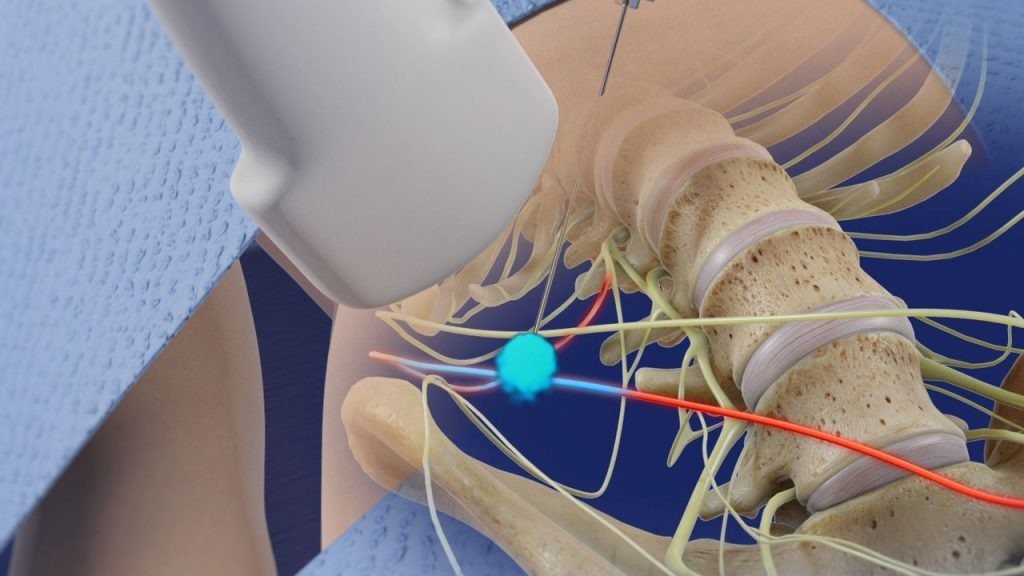
Peripheral Nerve Blocks Anaesthesia has become one of the most trusted and advanced techniques in modern anaesthesia care. Instead of putting the entire body to sleep, this method focuses on numbing specific nerves responsible for sensation in a particular area. As a result, patients experience a smoother, safer, and more comfortable surgical journey.
Peripheral Nerve Blocks Anaesthesia involves injecting a local anaesthetic near a targeted nerve or group of nerves to block sensation in a specific region, such as the arm, leg, shoulder, or abdomen. This technique allows doctors to perform surgeries with minimal pain, reduced medication, and an overall faster recovery.
This technique has become popular because of its multiple advantages:
Better Pain Control: Patients feel less postoperative discomfort.
Reduced Need for General Anaesthesia: Beneficial for those with heart or lung issues.
Minimal Side Effects: Less nausea and grogginess.
Faster Recovery: Patients can resume normal activities sooner.
Peripheral Nerve Blocks Anaesthesia is especially useful in orthopaedic, trauma, and upper or lower limb surgeries.
Some common nerve blocks include:
Brachial plexus block
Femoral nerve block
Sciatic nerve block
Popliteal block
Axillary block
Each block is selected based on the type of surgery and the area needing pain relief.
Doctors use advanced ultrasound guidance to precisely locate nerves and deliver the anaesthetic. This makes Peripheral Nerve Blocks Anaesthesia safer, highly accurate, and more effective.
The procedure usually takes a few minutes, and the effects can last for hours after surgery, providing extended pain relief.
Yes, when performed by an experienced anaesthesiologist, the technique is extremely safe. Mild temporary numbness or tingling may occur, but complications are rare.
Many patients prefer Peripheral Nerve Blocks Anaesthesia because it avoids the risks associated with general anaesthesia and offers excellent comfort.
Peripheral Nerve Blocks Anaesthesia is transforming surgical care by offering targeted pain relief, faster recovery, and reduced complications. As healthcare moves towards patient-centric approaches, this technique continues to play a vital role in ensuring painless and stress-free surgical experiences.
Your go-to resource for mastering anesthesia knowledge through comprehensive online MCQ exams and up-to-date study notes.
Copyright @ Anaesthesianotes-2024 . All rights are reserved. Designed By Digianalytic