
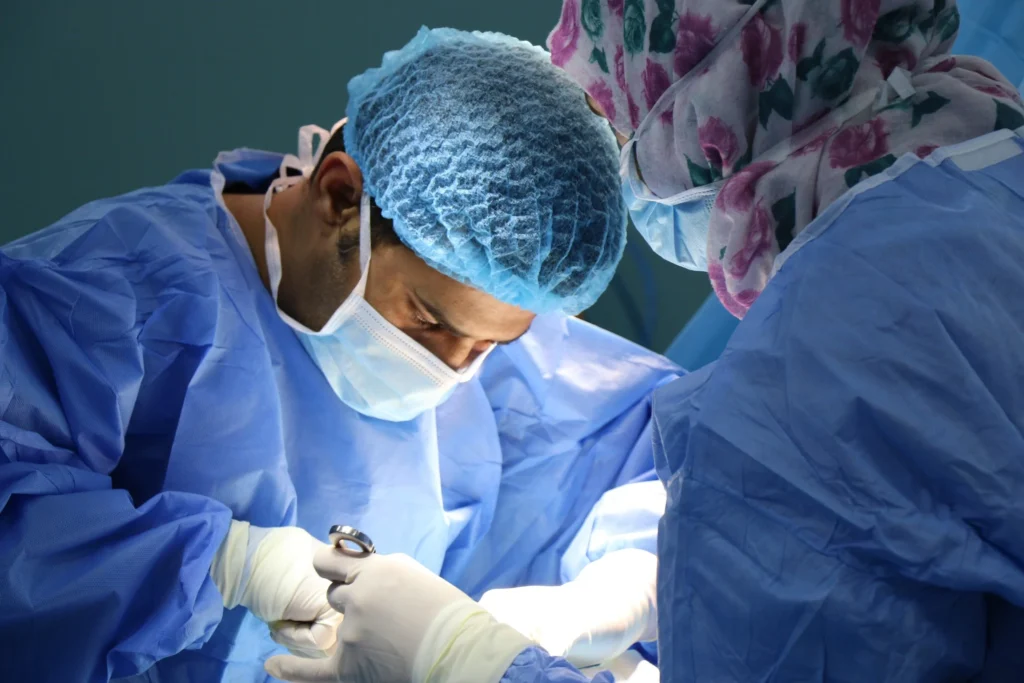
Transplant Anaesthesia has become one of the most specialized and critical branches of modern anaesthesia care. Unlike routine surgical anaesthesia, this technique is tailored for complex organ transplant procedures that require precise monitoring, advanced life support, and seamless coordination with surgical and critical care teams. As a result, patients undergoing life-saving transplants receive safe, stable, and highly controlled care throughout the procedure.
Transplant Anaesthesia refers to the specialized anaesthetic management provided during organ transplant surgeries such as kidney, liver, heart, or lung transplantation. These procedures are often lengthy and medically complex, requiring careful control of blood pressure, fluid balance, oxygenation, and organ perfusion.
The anaesthesia team ensures that the patient remains stable before, during, and after the transplant while supporting the function of both the failing organ and the newly transplanted one.
Transplant Anaesthesia refers to the specialized anaesthetic management provided during organ transplant surgeries such as kidney, liver, heart, or lung transplantation. These procedures are often lengthy and medically complex, requiring careful control of blood pressure, fluid balance, oxygenation, and organ perfusion.
The anaesthesia team ensures that the patient remains stable before, during, and after the transplant while supporting the function of both the failing organ and the newly transplanted one.
This highly specialized approach offers several key advantages:
Advanced Monitoring: Continuous monitoring of heart function, blood circulation, oxygen levels, and organ performance.
Organ Protection: Careful management to protect the transplanted organ during and immediately after surgery.
Precise Fluid Management: Essential for maintaining circulation and preventing complications.
Improved Surgical Outcomes: Stable anaesthesia improves the success rate of transplant procedures.
Comprehensive Critical Care Support: Smooth transition from operation theatre to intensive care.
Transplant Anaesthesia plays a vital role in complex procedures like kidney, liver, heart, and lung transplantation.
Some major transplant procedures include:
Each transplant requires a customized anaesthesia plan based on the patient’s medical condition and the organ involved.
Transplant Anaesthesia involves the use of advanced general anaesthesia combined with invasive monitoring techniques. Anaesthesiologists may use arterial lines, central venous catheters, and specialized cardiac monitoring devices to maintain precise control over the patient’s vital functions.
The procedure can last several hours, during which the anaesthesia team continuously adjusts medications, fluids, and supportive therapies to ensure optimal stability and organ function.
Your go-to resource for mastering anesthesia knowledge through comprehensive online MCQ exams and up-to-date study notes.
Copyright @ Anaesthesianotes-2024 . All rights are reserved. Designed By Digianalytic