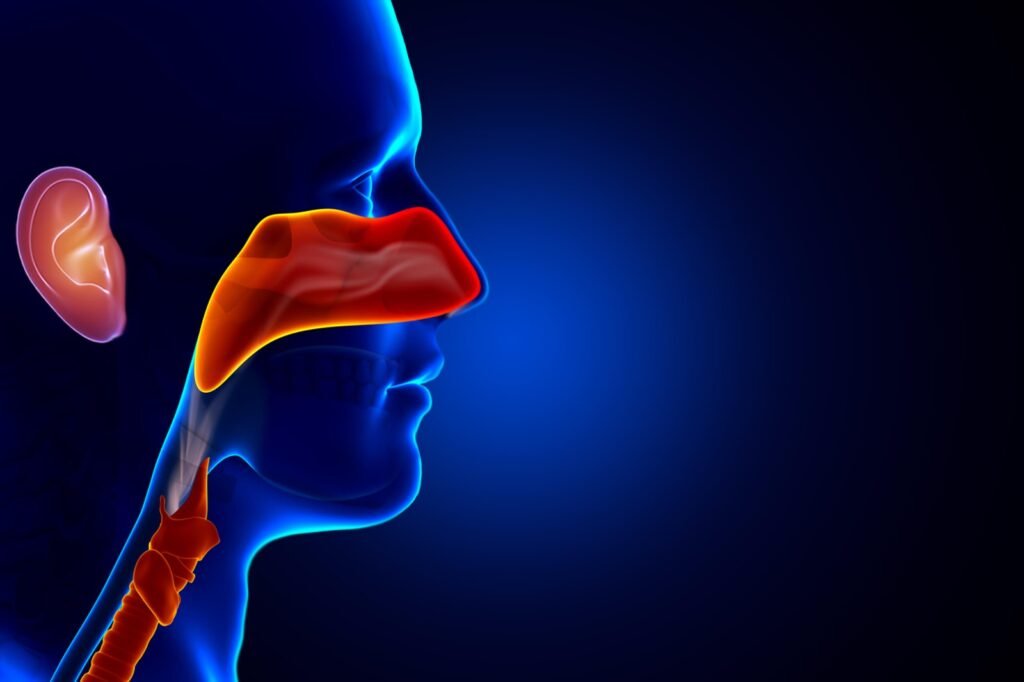
ENT Anaesthesia Training Program

“Join our ENT Anaesthesia Training Program for hands-on clinical cases, expert guidance, and advanced airway management skills.”

ENT Anaesthesia training with structured preparation, advanced airway management strategies, eligibility guidance, and practical competence support for safe and effective anaesthesia practice in ear, nose, and throat surgeries.

Overview of ENT Anaesthesia Training Program

The ENT Anaesthesia training program offers comprehensive learning through clinical case-based discussions, updated anaesthesia guidelines, expert-led instruction, and practical understanding required for ENT surgical procedures.

ENT anaesthesia is a specialized area that involves airway management and anaesthesia care during procedures related to the ear, nose, throat, head, and neck. Expertise in ENT anaesthesia is essential to ensure airway safety, patient stability, and optimal surgical outcomes according to international anaesthesia standards.

Scope and Objectives of the Training Program

This training program focuses on strong theoretical knowledge combined with practical clinical application to ensure safe, ethical, and evidence-based ENT anaesthesia practice aligned with global guidelines.

Core Training Syllabus & Focus Areas

ENT Anatomy & Physiology Relevant to Anaesthesia
Understanding airway anatomy and physiological considerations important for ENT procedures.

Pathophysiology of ENT Disorders
Knowledge of diseases affecting the ear, nose, throat, and airway structures.

Pharmacology of Anaesthetic Drugs
Use of anaesthetic agents and medications commonly used in ENT surgeries.

Preoperative Evaluation for ENT Procedures
Assessment of airway difficulty, patient health status, and surgical risk factors.

Airway Monitoring & Safety
Monitoring techniques used during ENT surgeries for maintaining airway and patient safety.

Anaesthesia Techniques for ENT Surgery
Anaesthesia approaches for procedures such as tonsillectomy, septoplasty, tympanoplasty, and endoscopic sinus surgery.

Airway Management Techniques
Advanced airway techniques including fiberoptic intubation and difficult airway management.

Postoperative Recovery & Pain Management
Managing airway complications, bleeding risk, and postoperative care for ENT patients.

Clinical Skills & Practical Focus

• Preoperative airway assessment and preparation
• Advanced airway management techniques
• Anaesthesia for endoscopic ENT procedures
• Management of airway obstruction and bleeding
• Anaesthesia considerations in pediatric ENT surgeries
• Intraoperative monitoring and patient stabilization
• Postoperative airway care and pain management

Professional Training for ENT Anaesthesia Practice

This training is designed for:

Anaesthesiologists
ENT Anaesthesia Specialists
Postgraduate Anaesthesia Trainees
Anaesthesia Residents
Medical professionals involved in ENT and head & neck surgical procedures

Training Eligibility Criteria

Eligibility for ENT Anaesthesia training includes:

Recognized medical qualification
Basic anaesthesia training and clinical experience
Valid medical registration
Compliance with institutional and regulatory requirements

Benefits of ENT Anaesthesia Training

With the growing number of ENT surgical procedures, structured training provides:

Improved airway management skills
Better understanding of ENT surgical requirements
Enhanced patient safety during airway-related procedures
Reduced intraoperative complications
Better postoperative recovery management
Compliance with modern anaesthesia guidelines

Advanced ENT Anaesthesia Training

ENT anaesthesia training equips medical professionals with the skills required for modern ENT surgeries, airway management, and perioperative patient care.