Anaesthesia training with high-yield strategies, clinical understanding, practical insights, and exam-focused preparation to help medical professionals build confidence and achieve excellence in anaesthesia practice and competitive exams.

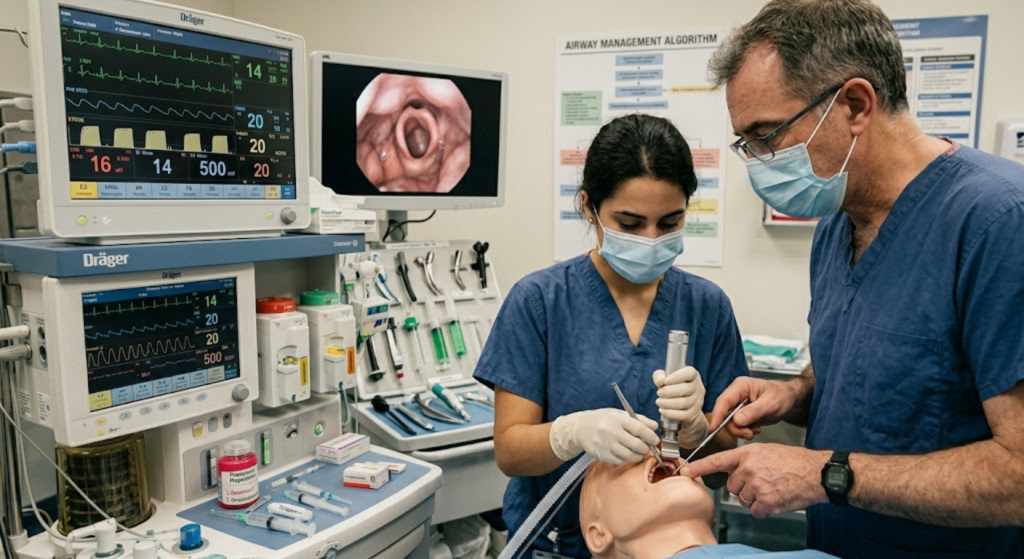
Master anaesthesia with high-yield tips, essential concepts, clinical insights, and proven strategies to boost learning and exam success.
Anaesthesia training with high-yield strategies, clinical understanding, practical insights, and exam-focused preparation to help medical professionals build confidence and achieve excellence in anaesthesia practice and competitive exams.
The Anaesthesia training program provides a comprehensive approach to mastering both theoretical concepts and clinical skills through case-based discussions, updated guidelines, and expert insights. It focuses on strengthening core knowledge while enhancing practical decision-making abilities essential for safe anaesthesia practice.
Anaesthesia is a critical field in medicine that involves perioperative patient care, pain management, resuscitation, and critical care support. Strong knowledge and clinical application ensure patient safety and optimal outcomes.
This program is designed to integrate high-yield theoretical knowledge with real-world clinical application. It aims to develop competent professionals capable of delivering safe, evidence-based, and patient-centered anaesthesia care aligned with modern medical standards.
Basic concepts including preoperative assessment, anaesthesia planning, monitoring, and patient safety.
Techniques for airway assessment, intubation, difficult airway management, and emergency airway protocols.
Understanding anaesthetic drugs, sedatives, muscle relaxants, analgesics, and their clinical applications.
Spinal, epidural, and peripheral nerve blocks with indications, techniques, and complications.
Anaesthesia considerations in cardiac and pulmonary conditions, hemodynamic monitoring, and ventilation strategies.
Management of patients undergoing neurosurgery, intracranial pressure control, and neuroprotection.
Anaesthesia care during pregnancy, labor analgesia, and cesarean section management.
Special considerations in infants and children including dosing, airway, and monitoring.
Acute and chronic pain management strategies including multimodal analgesia.
ICU care principles, shock management, resuscitation, and life support techniques.
• Preoperative patient evaluation and optimization
• Airway management techniques and emergency response
• Anaesthesia machine and monitoring usage
• Drug dosing and safe administration
• Intraoperative patient monitoring and crisis management
• Postoperative care and pain management
• Case-based clinical discussions
• Application of guidelines in real-life scenarios
This program is designed for:
Medical Students
Intern Doctors
Postgraduate Medical Students
Anaesthesia Residents
Practicing Anaesthesiologists
Nursing & Critical Care Professionals
Eligibility for Anaesthesia training includes:
Recognized medical qualification
Basic understanding of clinical medicine
Interest in anaesthesia and critical care
Commitment to clinical learning and patient safety
This training enhances clinical competence, improves decision-making skills, and builds confidence in managing patients safely during surgical and critical care settings. It supports exam success while preparing healthcare professionals for real-world anaesthesia practice with evidence-based approaches.