
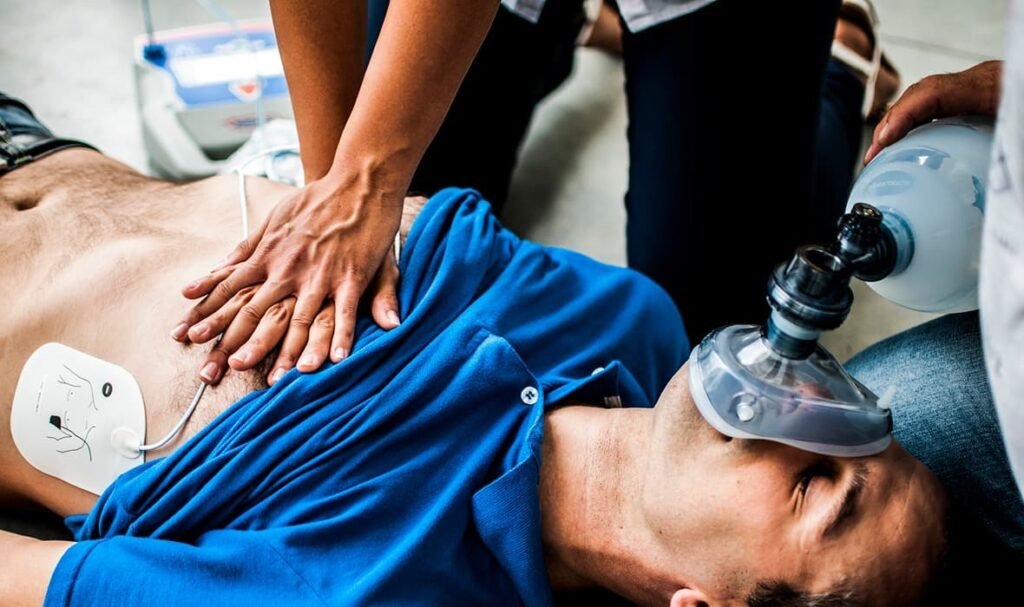
In the world of anaesthesia, nothing is more critical than maintaining a clear and functional airway. It is the very first step in ensuring patient survival and surgical success. Airway Management in Anaesthesia is not just a skill—it is a lifesaving art that demands precision, planning, and expertise.
From routine surgeries to emergency interventions, effective airway control ensures uninterrupted oxygen delivery and patient safety throughout the procedure.
Airway Management in Anaesthesia refers to the process of ensuring a clear pathway for air to flow from the nose and mouth to the lungs, allowing proper oxygenation and ventilation.
It involves:
Without proper airway control, oxygen supply may be compromised, leading to serious complications.
During general anaesthesia, muscle relaxation can cause the airway to collapse or become obstructed.
This makes Airway Management in Anaesthesia essential for:
A well-managed airway is the foundation of safe anaesthetic practice.
Before any procedure, careful evaluation is vital in Airway Management in Anaesthesia.
Key assessment methods:
These evaluations help anaesthesiologists anticipate challenges and prepare backup strategies.
The first step in Airway Management in Anaesthesia involves simple yet effective techniques:
1. Positioning
2. Bag-Mask Ventilation (BMV)
3. Airway Adjuncts
These methods help maintain airflow in unconscious patients.
When basic methods are insufficient, advanced techniques are used in Airway Management in Anaesthesia:
Endotracheal Intubation
Laryngeal Mask Airway (LMA)
Surgical Airway
Advanced devices ensure continuous oxygenation even in complex cases.
Managing the airway is not always straightforward. Airway Management in Anaesthesia can be challenging due to:
Anaesthesiologists must always be prepared with alternative plans and emergency techniques.
Effective Airway Management in Anaesthesia relies on proper equipment:
Ensuring equipment readiness is crucial for patient safety and successful airway control.
Even after surgery, airway care remains important in Airway Management in Anaesthesia:
Proper postoperative care ensures smooth recovery and reduces risks.
Airway Management in Anaesthesia is the cornerstone of safe and effective anaesthetic practice. It requires a blend of knowledge, skill, and rapid decision-making. From basic techniques to advanced interventions, mastering airway management ensures patient safety at every stage of surgery.
As medical science evolves, innovations continue to enhance Airway Management in Anaesthesia, making procedures safer and outcomes better for patients worldwide.
Your go-to resource for mastering anesthesia knowledge through comprehensive online MCQ exams and up-to-date study notes.
Copyright @ Anaesthesianotes-2024 . All rights are reserved. Designed By Digianalytic