Top Cardiac Anaesthesia Training Program

Top Cardiac Anaesthesia Training Program
Top Cardiac Anaesthesia Training Program offering expert guidance, hands-on practice, advanced skills, and professional certification.

Top Cardiac Anaesthesia Training Program offers expert training, advanced cardiac anaesthesia techniques, perioperative management, and certification for healthcare professionals.

Comprehensive Top Cardiac Anaesthesia Training Program offering in-depth knowledge, practical insights, and advanced clinical concepts for medical students, anaesthesiologists, healthcare professionals, and aspiring cardiac anaesthesia specialists.

Overview of Cardiac Anaesthesia Training Program

The Cardiac Anaesthesia Training Program provides comprehensive education through case-based discussions, expert-led sessions, simulation-based learning, and practical clinical exposure required for managing patients undergoing complex cardiac and thoracic procedures.

Cardiac Anaesthesia is a highly specialized branch of anaesthesiology focused on the perioperative management of patients undergoing cardiac surgery and interventional cardiac procedures. It involves advanced haemodynamic monitoring, transesophageal echocardiography (TEE), cardiopulmonary bypass management, and postoperative critical care to ensure the best patient outcomes.

Expert Guidance for Cardiac Anaesthesia Learning

This training program combines comprehensive theoretical knowledge with practical clinical experience, enabling participants to confidently manage cardiac surgical patients while following evidence-based protocols and international patient safety standards.

Advanced Skills in Cardiac Anaesthesia and Perioperative Care

Cardiovascular Physiology

Understanding cardiac anatomy, physiology, haemodynamics, and cardiovascular pathophysiology.

Preoperative Cardiac Assessment

Comprehensive evaluation and risk assessment for cardiac surgical patients.

Cardiac Anaesthesia Techniques

General anaesthesia, regional techniques, induction, maintenance, and emergence in cardiac surgery.

Haemodynamic Monitoring

Advanced invasive monitoring including arterial lines, central venous pressure, pulmonary artery catheterization, and cardiac output monitoring.

Transesophageal Echocardiography (TEE)

Basics of TEE interpretation for intraoperative cardiac assessment and decision-making.

Cardiopulmonary Bypass Management

Understanding CPB principles, anticoagulation, myocardial protection, and perfusion strategies.

Postoperative Cardiac Critical Care

Management of ventilation, haemodynamic stability, pain control, and ICU care following cardiac surgery.

Emergency Cardiac Anaesthesia

Management of cardiac emergencies, arrhythmias, cardiac arrest, massive bleeding, and perioperative complications.

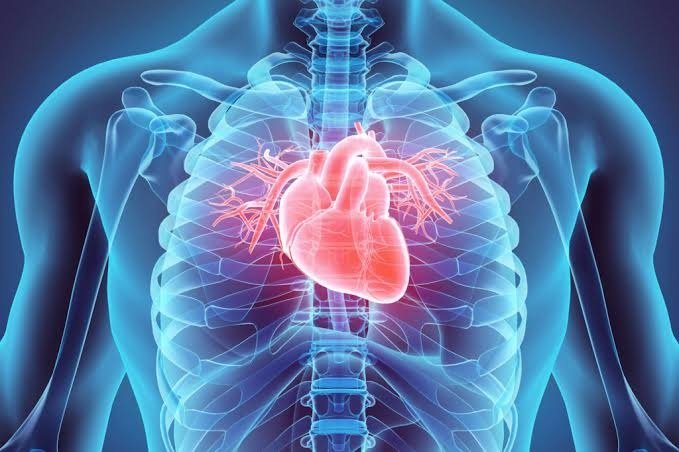
Importance of Cardiac Anaesthesia in Modern Healthcare
  • Advanced perioperative cardiac patient management
  • Haemodynamic monitoring and interpretation
  • Cardiopulmonary bypass management
  • Safe anaesthetic techniques for cardiac surgery
  • Transesophageal echocardiography applications
  • Postoperative intensive care management
  • Emergency cardiac life support during surgery
  • Evidence-based cardiac anaesthesia protocols
Professional Training for Cardiac Anaesthesia Practice

This training is designed for:

  • Medical Students
  • Anaesthesiology Postgraduates
  • Practicing Anaesthesiologists
  • Critical Care Specialists
  • Cardiac Anaesthesia Fellows
  • Healthcare Professionals involved in Cardiac Care
Ethical Cardiac Anaesthesia Practice and Safety Standards

Eligibility for Cardiac Anaesthesia training includes:

  • Recognized medical qualification
  • Background in Anaesthesiology or related specialty
  • Basic understanding of cardiovascular physiology
  • Clinical exposure in operating theatre or critical care (preferred)
  • Compliance with institutional and regulatory requirements
Best Online Cardiac Anaesthesia Training

Cardiac Anaesthesia Training equips medical professionals with advanced knowledge of cardiovascular physiology, perioperative anaesthetic management, haemodynamic monitoring, cardiopulmonary bypass, transesophageal echocardiography, and postoperative critical care, helping them deliver safe, effective, and evidence-based care for patients undergoing cardiac surgical procedures.