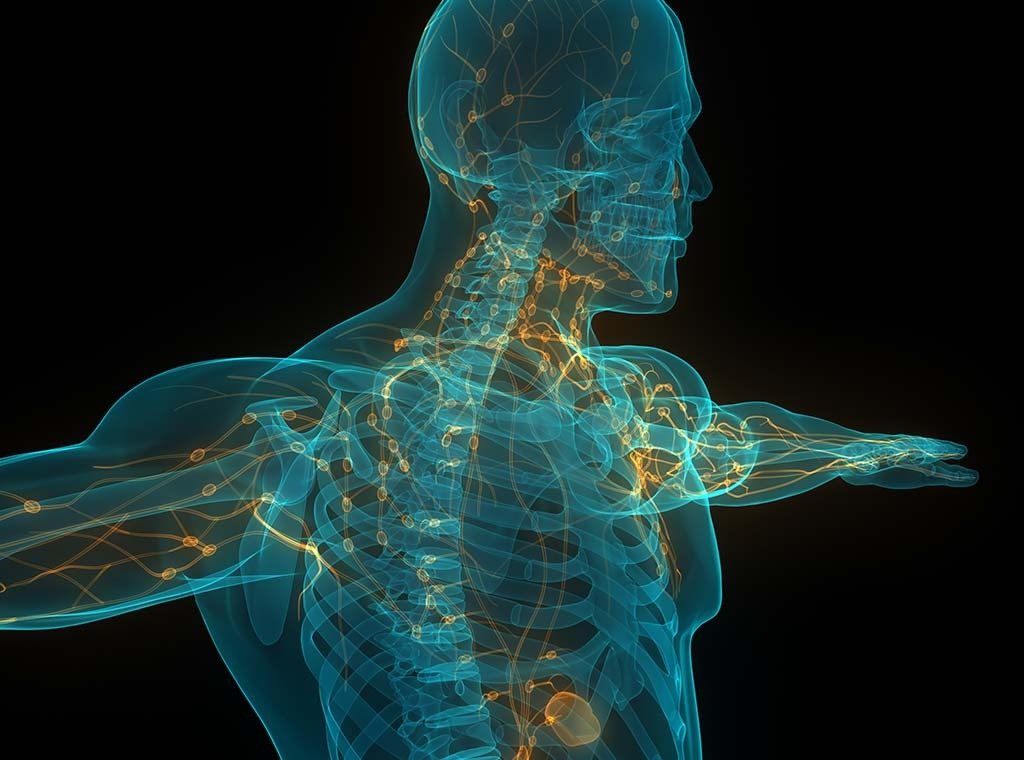
Anatomy and Physiology Learning Program

Anatomy and Physiology Learning Program offers practical learning, expert guidance, and career-focused healthcare education

Anatomy and Physiology Training Program offers comprehensive theoretical knowledge, practical clinical learning, expert guidance, and structured education in human anatomy and physiological functions.

Best Anatomy and Physiology Training Program provides detailed learning of human body structures, organ systems, physiological processes, and their clinical relevance for medical and healthcare professionals.

Anatomy and Physiology Clinical Training provides medical students, healthcare professionals, anaesthesiologists, and aspiring specialists with comprehensive knowledge of anatomical structures and physiological functions essential for clinical assessment and patient care. Top Anatomy and Physiology Training Program offers systematic learning, practical demonstrations, case-based discussions, and clinically relevant concepts to develop a strong foundation in anatomy and physiology.

Best Anatomy and Physiology Training Program

The Anatomy and Physiology Training Program provides comprehensive education through expert-led sessions, case-based discussions, practical demonstrations, visual learning, and clinically focused training designed to strengthen understanding of human body structures and physiological functions.

Anatomy and Physiology is a fundamental area of medical education focused on understanding the structure of the human body and how its organs, tissues, and systems function together. Knowledge of anatomy and physiology is essential for clinical examination, diagnosis, treatment planning, anaesthesia, surgery, emergency care, and overall patient management.

Advanced Anatomy and Physiology Training

This training program combines detailed theoretical concepts with practical clinical learning, helping participants understand anatomical structures, physiological mechanisms, organ-system interactions, and their importance in clinical practice.

Understanding regional anatomy, systemic anatomy, cellular functions, cardiovascular physiology, respiratory physiology, nervous system function, renal physiology, endocrine regulation, and other body systems is essential for safe and effective clinical care. This module helps participants develop a strong medical foundation and apply anatomical and physiological knowledge to real-world clinical situations.

Human Anatomy and Physiology Clinical Training

  • Comprehensive study of human anatomy
  • Understanding major organ systems and body structures
  • Cardiovascular anatomy and physiology
  • Respiratory anatomy and physiological functions
  • Nervous system anatomy and physiology
  • Renal and urinary system functions
  • Gastrointestinal anatomy and physiology
  • Endocrine system structure and function
  • Musculoskeletal anatomy and physiology
  • Clinical application of anatomical knowledge
  • Understanding normal physiological processes
  • Correlation of anatomy with clinical practice
  • Evidence-based medical learning
Anatomy and Physiology Course for Medical Professionals
  • Medical Students
  • Anaesthesiology Postgraduates
  • Practicing Anaesthesiologists
  • Nursing Professionals
  • Physiotherapy Students and Professionals
  • Allied Healthcare Professionals
  • Healthcare Professionals involved in Clinical and Perioperative Care
Practical Anatomy and Physiology Clinical Training
  • Recognized medical or healthcare qualification
  • Basic understanding of biological sciences
  • Interest in human anatomy and physiology
  • Background in medical, nursing, allied health, or related disciplines
  • Clinical learning experience preferred
  • Familiarity with basic medical terminology
  • Compliance with institutional and regulatory requirements
Advanced Anatomy and Physiology Course

Anatomy and Physiology Training equips medical and healthcare professionals with comprehensive knowledge of human body structures, organ systems, physiological mechanisms, cardiovascular and respiratory functions, nervous system physiology, renal and endocrine functions, musculoskeletal systems, and clinically relevant anatomical concepts, enabling participants to develop a strong foundation for clinical assessment, diagnosis, treatment planning, anaesthesia, surgery, and patient-centered healthcare.