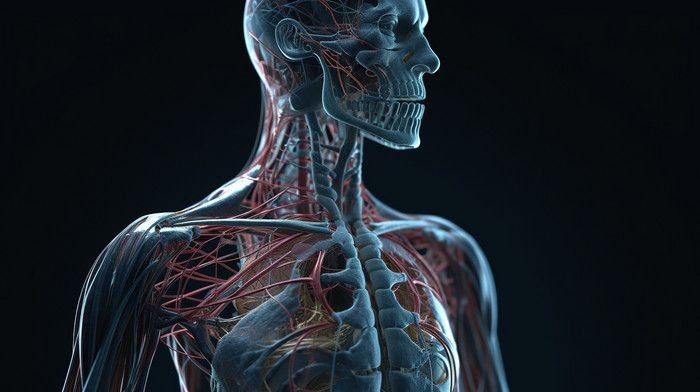
Anatomy and Physiology Training Program

Anatomy and Physiology Training Program offers structured theoretical knowledge, essential medical concepts, practical learning, and focused education on human body structure, organ systems, physiological functions, and the mechanisms that maintain normal health.

Best Anatomy and Physiology Training Program provides detailed learning about human anatomy, body organization, cellular functions, organ systems, physiological processes, and the relationship between body structures and their functions.

Anatomy and Physiology Training provides medical students, anaesthesiology postgraduates, practising anaesthesiologists, nursing students, and healthcare professionals with comprehensive knowledge of human body structures and physiological functions essential for understanding clinical conditions, patient assessment, and medical practice. A comprehensive Anatomy and Physiology Training Program offers systematic learning, visual demonstrations, case-based discussions, and clinically relevant concepts to strengthen foundational medical knowledge.

Human Anatomy and Physiology Skills

The Anatomy and Physiology Training Program provides comprehensive education through structured lessons, expert-led sessions, visual learning, clinical discussions, and practical demonstrations designed to strengthen understanding of human body structures, organ systems, physiological mechanisms, and their clinical significance.

Anatomy and Physiology focuses on essential concepts related to the skeletal system, muscular system, nervous system, cardiovascular system, respiratory system, digestive system, endocrine system, urinary system, and reproductive system. Understanding these systems and their interactions is fundamental to medical education, clinical assessment, anaesthesia practice, and effective patient care.

Advanced Anatomy and Physiology Training

This training program combines detailed theoretical concepts with clinically relevant learning, helping participants understand anatomical structures, physiological mechanisms, organ functions, and the body’s responses to different internal and external conditions.

Understanding cellular organization, tissue structures, organ functions, blood circulation, respiratory mechanics, nerve impulses, hormonal regulation, fluid balance, and homeostasis is essential for building a strong foundation in medical sciences. This module helps participants develop a systematic understanding of the human body and relate anatomical and physiological knowledge to clinical practice.

Human Anatomy and Physiology Course Topics

  • Fundamentals of Human Anatomy and Physiology

  • Cellular Structure and Tissue Organization

  • Skeletal System and Bone Anatomy

  • Muscular System and Muscle Physiology

  • Nervous System and Neural Functions

  • Cardiovascular System and Blood Circulation

  • Respiratory System and Gas Exchange

  • Digestive System and Nutrient Absorption

  • Endocrine System and Hormonal Regulation

  • Urinary System and Fluid Balance

  • Reproductive System and Human Physiology

  • Blood Composition and Immune Functions

  • Homeostasis and Physiological Regulation

  • Anatomical Terminology and Body Organization

  • Clinical Applications of Anatomy and Physiology

  • Basic Physiological Responses to Disease and Injury

Anatomy and Physiology Training Eligibility
  • Medical students seeking foundational medical knowledge

  • Anaesthesiology postgraduate students

  • Practising anaesthesiologists refreshing essential concepts

  • Nursing students and qualified nursing professionals

  • Healthcare professionals interested in human physiology

  • Students pursuing relevant medical and allied health sciences

  • Individuals with an appropriate educational background in biological sciences

  • Learners interested in understanding human organ systems

  • Healthcare professionals seeking to strengthen clinical fundamentals

  • Candidates meeting the program’s specific eligibility requirements

Anatomy and Physiology Training for Medical Professionals

Anatomy and Physiology Training Program equips medical and healthcare professionals with comprehensive knowledge of human body structures, cellular organization, tissue functions, organ systems, cardiovascular physiology, respiratory mechanics, nervous system functions, hormonal regulation, fluid and electrolyte balance, homeostasis, and clinically relevant physiological processes. This foundational learning helps participants strengthen their understanding of patient assessment, physiological changes, clinical terminology, medical concepts, and the relationship between anatomical structures and normal body functions, supporting further medical education and clinical learning.