
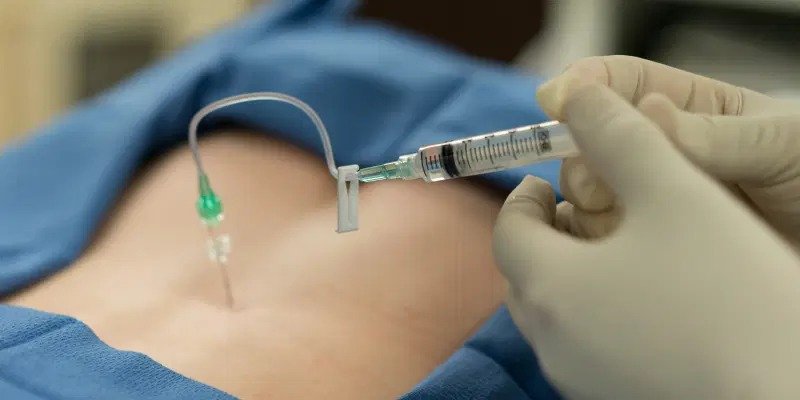
Spinal & Epidural Anaesthesia ensures precision numbness, controlled pain relief, and safe neuraxial care across diverse medical settings.
Pain relief doesn’t always wait for a major operating room.
Sometimes it’s needed in labor wards, trauma units, orthopedic suites, emergency rooms, and pain clinics — places where procedures are essential, delicate, and urgent.
This is where Neuraxial Anaesthesia steps forward.
Spinal and Epidural techniques bring anesthesia to the patient, instead of bringing the patient into deeper surgical care.
They turn tense, painful moments into controlled comfort, creating islands of relief in environments never meant for major anesthesia setups.
Before the needle touches the spine or the catheter threads through the epidural space, the clinician must understand the patient, anatomy, and procedural demands.
Unlike general anesthesia — where airways, monitoring, and medications dominate — neuraxial anesthesia demands precision, calm, and anticipation.
Spinal & Epidural anesthesia blends anatomy, pharmacology, and clinical judgment into a disciplined art.
A skilled anesthesia provider brings precision to dynamic environments — guiding needles between vertebrae in labor rooms, providing pain relief in trauma bays, or managing epidural infusions during long surgeries.
Just enough to numb — not enough to compromise consciousness.
From labor analgesia to lower-body surgeries, every dose is calibrated with purpose.
Neuraxial blocks support situations where pain control is essential — orthopedic procedures, obstetrics, urology, vascular surgeries, and trauma interventions.
A calm mind replaces fear.
Pain dissolves into a controlled numbness.
Awareness remains, but distress disappears.
Modern medicine increasingly uses neuraxial blocks for surgeries once dominated by general anesthesia.
Spinal & Epidural techniques make that transition safe and effective.
✨ In the quiet theater of patient care, neuraxial anesthesia is the steady hand balancing pain relief, stability, and precision.
Spinal & Epidural techniques are effective — but require vigilance and expertise.
Temporary numbness and weakness in the lower body.
Gradual return of movement and sensation.
Monitoring until vitals stabilize and the block regresses safely.
A responsible escort is required if the patient is discharged.
Anticoagulated patients or bleeding risks.
Spine abnormalities or severe scoliosis.
Long or complex surgeries without adequate monitoring.
Unpredictable or unstable hemodynamics.
Monitoring for headache, nausea, or prolonged numbness.
Clear instructions about mobility and fall risk.
Avoiding strenuous activity until the block fully wears off.
✨ With precision and vigilance, neuraxial anesthesia transforms painful procedures into safe, controlled, and comforting experiences.
Spinal & Epidural Anaesthesia is more than a technique — it is a promise of relief and safety where patients need it most.
It represents modern medicine’s evolution:
gentle childbirth, safer surgeries, improved recovery, and pain-free movement.
Behind every mother delivering calmly, every smooth knee replacement, every painless urologic procedure — stands the neuraxial anesthesia provider ensuring numbness where it matters, comfort where it’s needed, and safety throughout.
Neuraxial anesthesia is the quiet guardian of lower-body surgery.
The invisible shield of labor pain relief.
The steady architect of controlled comfort.
Your go-to resource for mastering anesthesia knowledge through comprehensive online MCQ exams and up-to-date study notes.
Copyright @ Anaesthesianotes-2024 . All rights are reserved. Designed By Digianalytic