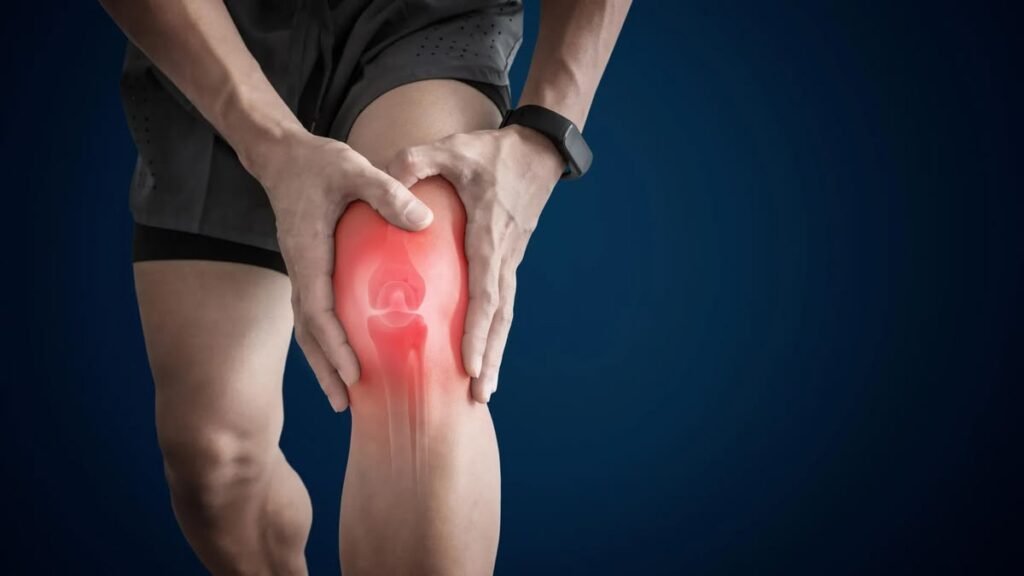
Pain Medicine Training for Medical Professionals

Pain Medicine Training Program offers structured theoretical knowledge, essential medical concepts, clinical learning, and focused education on pain mechanisms, pain assessment, pain management approaches, and the physiological processes involved in acute and chronic pain conditions.

Best Pain Medicine Training Program provides detailed learning about pain pathways, pain classification, underlying mechanisms, diagnostic approaches, treatment principles, and the relationship between physiological changes and pain perception.

Pain Medicine Training provides medical students, anaesthesiology postgraduates, practising anaesthesiologists, nursing students, and healthcare professionals with comprehensive knowledge of pain mechanisms, clinical assessment, and pain management principles essential for understanding pain-related conditions, improving patient assessment, and supporting effective clinical practice. A comprehensive Pain Medicine Training Program offers systematic learning, visual demonstrations, case-based discussions, and clinically relevant concepts to strengthen foundational knowledge of pain evaluation and management.

Pain Medicine Skills

The Pain Medicine Training Program provides comprehensive education through structured lessons, expert-led sessions, clinical discussions, case-based learning, and practical demonstrations designed to strengthen understanding of pain mechanisms, assessment techniques, treatment options, and their clinical significance.

Pain Medicine focuses on essential concepts related to acute pain, chronic pain, neuropathic pain, nociceptive pain, musculoskeletal pain, cancer-related pain, postoperative pain, and pain associated with different medical conditions. Understanding these pain categories and their underlying mechanisms is fundamental to medical education, anaesthesia practice, clinical assessment, and effective patient care.

Advanced Pain Medicine Training

This training program combines detailed theoretical concepts with clinically relevant learning, helping participants understand pain pathways, nervous system responses, pain transmission, pain perception, and the physiological and psychological factors that influence pain experiences.

Understanding nociceptors, peripheral and central sensitization, neural transmission, inflammatory responses, pain modulation, neuropathic mechanisms, and the body’s response to tissue injury is essential for building a strong foundation in pain medicine. This module helps participants develop a systematic understanding of pain physiology and relate pain assessment and management principles to clinical practice.

Pain Medicine Course Topics

  • Fundamentals of Pain Medicine

  • Anatomy and Physiology of Pain Pathways

  • Mechanisms of Acute and Chronic Pain

  • Classification of Pain Conditions

  • Nociceptive and Neuropathic Pain

  • Pain Assessment and Clinical Evaluation

  • Pain Scales and Patient History

  • Postoperative Pain Management

  • Musculoskeletal and Neuropathic Pain

  • Cancer Pain and Palliative Care Principles

  • Pharmacological Approaches to Pain Management

  • Principles of Analgesic Medications

  • Opioid Safety and Adverse Effects

  • Non-Pharmacological Pain Management Approaches

  • Interventional Pain Management Principles

  • Nerve Blocks and Regional Analgesia Concepts

  • Multimodal Analgesia and Individualized Care

  • Chronic Pain Assessment and Management

  • Psychological Factors and Pain Perception

  • Patient Monitoring and Pain Management Safety

  • Clinical Case Discussions and Pain Management Planning

  • Evidence-Based Practices in Pain Medicine

Pain Medicine Training Eligibility
  • Medical students seeking foundational knowledge of pain management

  • Anaesthesiology postgraduate students

  • Practising anaesthesiologists interested in pain medicine

  • Doctors seeking to strengthen pain assessment skills

  • Nursing students and qualified nursing professionals

  • Healthcare professionals involved in pain assessment and patient care

  • Medical professionals interested in acute pain management

  • Clinicians seeking knowledge of chronic pain conditions

  • Healthcare practitioners interested in palliative care principles

  • Candidates with relevant medical or healthcare qualifications

  • Learners meeting the program’s specific eligibility requirements

Pain Medicine Training for Medical Professionals

Pain Medicine Training Program equips medical and healthcare professionals with comprehensive knowledge of pain physiology, pain pathways, acute and chronic pain conditions, neuropathic mechanisms, clinical assessment methods, analgesic medications, multimodal pain management, postoperative pain control, regional analgesia principles, and patient monitoring. This foundational learning helps participants strengthen their understanding of pain-related conditions, treatment considerations, medication safety, clinical decision-making, and individualized patient care, supporting further medical education and clinical learning. The program also introduces evidence-based approaches to pain evaluation and management, helping eligible healthcare professionals build a stronger foundation for their respective clinical roles.