⚙️ The Heart of the OT: Understanding Anaesthesia Machine Components

The Heart of the OT: Understanding Anaesthesia Machine Components

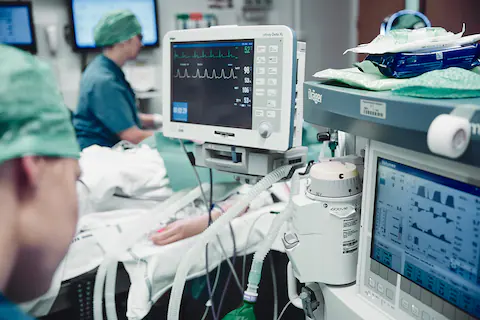
The operating theatre is a battlefield—and the anaesthesia machine is the command center. Whether you’re an MBBS student, an anaesthesia postgraduate, or a CRNA in training, mastering the anaesthesia machine components is not just important—it’s essential.

This guide breaks down each part of the machine in a simple yet detailed manner, helping you grasp the core functions and safety mechanisms involved.


🧠 Why Know Your Machine?

Before you deliver gases, adjust ventilator settings, or monitor a patient’s life signs, you must know what lies beneath the knobs and screens. The anaesthesia machine components are carefully designed to:

  • Deliver precise gas concentrations

  • Prevent hypoxia

  • Control ventilation

  • Ensure patient safety under sedation

One mistake can be fatal. That’s why this is one of the first concepts taught in anaesthesia training.


🛠️ Major Anaesthesia Machine Components You Must Know

Let’s go step-by-step, following the gas flow—from source to patient.


1. Gas Supply System

  • Cylinders: Provide backup oxygen and nitrous oxide.

  • Pipelines: Primary source from the hospital supply.

  • Pressure Regulators: Reduce high pressure to usable levels.

These components ensure that the gases are available at the right pressure. In exams and viva, these are always hot questions under anaesthesia machine components.


2. Flowmeters

  • Measure and control gas flow rates (usually in L/min).

  • Color-coded for each gas (O₂ = green, N₂O = blue).

  • Must always place O₂ flowmeter nearest to the common gas outlet for safety.

Flowmeters help fine-tune anaesthetic delivery. Never underestimate their role in the safe use of anaesthesia machine components.


3. Vaporizers

  • Convert liquid anaesthetic agents (e.g., Isoflurane, Sevoflurane) into vapour form.

  • Provide a controlled concentration of the agent mixed with carrier gas.

  • Calibrated and agent-specific.

This is one of the most critical anaesthesia machine components because it determines the depth of anaesthesia.


4. Breathing System (Circle System or Bain System)

  • Connects machine to the patient.

  • Includes inspiratory/expiratory limbs, reservoir bag, APL valve.

  • Filters CO₂ via soda lime in closed systems.

Understanding this part of the anaesthesia machine components helps you manage ventilation, rebreathing, and gas economy effectively.


5. Scavenging System

  • Captures and removes excess gases.

  • Prevents pollution of OT air with waste anaesthetic gases.

  • Includes vacuum source and reservoir bag.

Never forget: this component protects you, not the patient. It’s a frequently missed part of the anaesthesia machine components list in exams.


6. Safety Features

  • Oxygen Failure Alarm

  • Hypoxia Prevention Safety Valve

  • Check Valves and Pressure Relief Valves

These are the silent guardians built into the system. Knowing these ensures that you can troubleshoot failures and respond during emergencies.


🔄 Mnemonic to Remember Key Anaesthesia Machine Components

G-F-V-B-S-S
Gas supply → Flowmeters → Vaporizers → Breathing system → Scavenging → Safety mechanisms


📚 Final Notes

The anaesthesia machine components are more than just parts of a device—they are your allies in patient safety and clinical efficiency. Every button, valve, and gauge has a purpose. Learn them not just for exams, but for the lives you’ll one day protect.

To explore this topic in diagrams, infographics, and case-based Q&As, visit: AnaesthesiaNotes.com

🩺 The First Step to Safe Surgery: A Guide to Preoperative Evaluation and Optimization

The First Step to Safe Surgery: A Guide to Preoperative Evaluation and Optimization

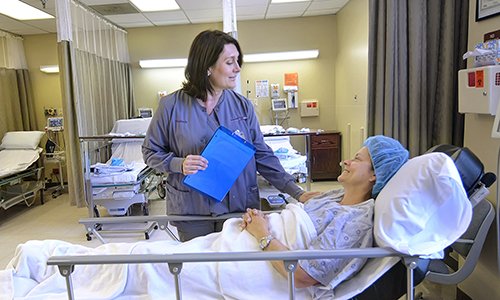
Before the first incision is made, before anaesthesia is even induced, there is a quiet but critical process that lays the foundation for safe surgical outcomes—preoperative evaluation and optimization.

In anaesthesia practice, this step isn’t just a formality—it’s a powerful clinical tool to identify risks, improve outcomes, and tailor perioperative care. Let’s explore the what, why, and how of preoperative evaluation and optimization in a structured, high-yield format perfect for notes or revision.


🔍 What is Preoperative Evaluation and Optimization?

Preoperative evaluation and optimization refers to the systematic assessment of a patient’s medical condition, functional status, and surgical risk before the day of surgery. It allows clinicians to:

  • Detect undiagnosed conditions (e.g., hypertension, anaemia)

  • Optimize existing comorbidities (e.g., diabetes, COPD)

  • Stratify perioperative risk

  • Formulate an anaesthesia plan


🧠 Why is it Important?

Think of preoperative evaluation and optimization as the rehearsal before the performance. Without it, even a routine surgery can spiral into complications. Benefits include:

  • Reduced intraoperative surprises

  • Fewer cancellations

  • Shorter hospital stays

  • Improved patient satisfaction

  • Lower mortality and morbidity


📋 Key Components of Preoperative Evaluation and Optimization

1. Detailed History and Physical Examination

  • Cardiovascular, respiratory, endocrine systems

  • Functional status (e.g., METs score)

  • Medication and allergy history

  • Airway assessment (e.g., Mallampati score)

2. Investigations

  • CBC, RFT, LFT, ECG, CXR, blood sugar, coagulation profile (as indicated)

  • Specialized tests (e.g., echocardiogram, stress testing) based on findings

This data forms the backbone of preoperative evaluation and optimization, helping the anaesthetist create a risk map for the patient.

3. Risk Assessment Tools

  • ASA Physical Status Classification

  • Revised Cardiac Risk Index (RCRI)

  • STOP-BANG for OSA screening

These tools standardize the risk grading and are crucial for evidence-based preoperative evaluation and optimization.

4. Optimization Strategies

  • Control of blood sugar and BP

  • Treatment of infections

  • Smoking cessation (ideally 4–8 weeks prior)

  • Management of anaemia or electrolyte imbalance

  • Beta-blocker titration (in select cardiac patients)


🛑 When to Delay Surgery?

A vital part of preoperative evaluation and optimization is recognizing when a patient isn’t ready for surgery. Common reasons for postponement include:

  • Unstable angina or recent MI

  • Acute respiratory infections

  • Uncontrolled diabetes or hypertension

  • Severe anaemia (<8 g/dL in major surgery)

  • Ongoing anticoagulation (not appropriately bridged)


✍️ Documentation & Communication

Documentation is just as important as assessment. A good preoperative evaluation and optimization note should include:

  • Summary of history and findings

  • ASA grade

  • Risk stratification

  • Anaesthesia plan

  • Informed consent

  • Recommendations for intra/postoperative care

This ensures clear communication among surgical, anaesthesia, and nursing teams.


🧾 Final Takeaway

Mastering preoperative evaluation and optimization is non-negotiable for every anaesthesia provider. It’s not just about paperwork—it’s about preventing complications, ensuring safety, and building trust with the patient.

Visit AnaesthesiaNotes.com for more structured notes, case studies, and checklists on this and other key topics in clinical anaesthesia.

💊 Unlocking the Blueprint: Classification of Drugs in Pharmacology

Unlocking the Blueprint: Classification of Drugs in Pharmacology

Ever felt like you’re drowning in a sea of drug names, mechanisms, and categories? Don’t worry—pharmacology isn’t just about memorizing lists. It’s about understanding the logic behind the chaos. That journey starts with one essential concept: the classification of drugs in pharmacology.

Let’s dive into this foundational topic with a student-friendly lens — and just a dash of creativity to make it stick.


🧠 Why Do We Classify Drugs?

Imagine walking into a library with no sections. Chaos, right? That’s what pharmacology would be without classification. The classification of drugs in pharmacology helps us:

  • Organize drugs based on their action

  • Understand their mechanisms

  • Predict their effects and side effects

  • Learn faster and prescribe smarter

Whether you’re preparing for an anaesthesia viva or pharmacology MCQs, understanding the classification of drugs in pharmacology gives you a solid foundation.


🧪 Major Systems of Classification of Drugs in Pharmacology

1. Based on Therapeutic Use

  • Analgesics

  • Antipyretics

  • Antihypertensives

  • Antidepressants

This is the most intuitive classification of drugs in pharmacology, especially helpful for clinicians and beginners.

2. Based on Mechanism of Action

  • β-blockers (block beta receptors)

  • ACE inhibitors (inhibit angiotensin-converting enzyme)

  • NSAIDs (inhibit cyclooxygenase enzymes)

Mechanism-based classification is especially useful in anaesthesia, where drug action can directly affect the CNS, CVS, or respiratory system.

3. Based on Chemical Structure

  • Benzodiazepines

  • Sulfonamides

  • Barbiturates

This classification of drugs in pharmacology is helpful when understanding drug interactions and side-effect profiles.

4. Based on Source

  • Natural (e.g., morphine from opium)

  • Semi-synthetic (e.g., heroin)

  • Synthetic (e.g., fentanyl)

In anaesthesia, understanding the source helps when dealing with allergies or cross-sensitivity.

5. Alphabetical or Numerical Systems

Used mainly in drug indexes and databases but still a recognized part of the classification of drugs in pharmacology.


💡 Quick Tips to Master Drug Classification

  • Mnemonics help: Use memory tricks to remember classes (e.g., “LOVe My Heart” = Labetalol, Oxprenolol, Verapamil for cardiovascular drugs).

  • Group learning: Study drug classes, not just individual drugs.

  • Flashcards: Great for rapid recall and exam prep.

By focusing on the classification of drugs in pharmacology, you shift from memorizing to understanding, which is exactly what you’ll need in clinical practice and competitive exams.


📚 Final Dose of Wisdom

The classification of drugs in pharmacology isn’t just a chapter—it’s the language of medicine. Once you learn how to “speak” it, every drug starts making sense. From anaesthetics to antiemetics, classifications help you think like a clinician.

Explore more topics like receptors, drug interactions, and pharmacokinetics only on AnaesthesiaNotes.com—your go-to space for simplified, exam-ready content.

🚪The Breathway Chronicles: Exploring the Respiratory System Anatomy and Physiology

The Breathway Chronicles: Exploring the Respiratory System Anatomy and Physiology

Imagine your body as a grand palace—and the respiratory system is the royal corridor where every breath begins its sacred journey. In the realm of anaesthesia, understanding the respiratory system anatomy and physiology is like knowing every secret passage of that palace. Let’s take a walk through this incredible kingdom.


🏰 Chapter 1: The Gateway – Upper & Lower Airways

The nose is the majestic entrance gate—lined with guards (cilia and mucus) to trap intruders (dust and pathogens). This leads to the grand hallway: the pharynx, the crossroad between food and air.

Further down, we pass through the larynx, where the voice resides—a built-in intercom system! Descend the trachea, and you enter the lower respiratory tract, branching into the bronchi and bronchioles, like tree roots spreading deep into the lungs.

Every structure here is part of the respiratory system anatomy and physiology, built for one purpose: guiding air safely to its destination.


🌬️ Chapter 2: The Silent Symphony – Mechanics of Breathing

Picture the diaphragm as a stage curtain that rises and falls with every breath. When it contracts, it draws air into the lungs—a quiet inhale, a curtain lifted. Relaxation leads to exhale—a silent drop of the veil.

This graceful rhythm depends on lung compliance, airway resistance, and muscular coordination. Every anaesthesia provider must master this choreography to maintain the perfect performance of the respiratory system anatomy and physiology.


🫧 Chapter 3: The Exchange Chamber – Alveoli

Deep within the lungs lie the alveoli—tiny, delicate chambers where magic happens. Oxygen enters the bloodstream, and carbon dioxide is escorted out like an unwanted guest.

This gas exchange, governed by diffusion and partial pressures, is the climax of the respiratory system anatomy and physiology. Like royal couriers, hemoglobin molecules rush to deliver oxygen where it’s needed most.


🧠 Chapter 4: The Brain Behind the Breath – Neural Control

Far above, in the tower of the medulla oblongata, the royal brainstem watches over all. Chemoreceptors serve as advisors, sensing every rise in CO₂ or drop in O₂.

If danger looms—say, under anaesthesia—signals are fired to adjust the rate or depth of breathing. Without this vigilance, the carefully balanced world of the respiratory system anatomy and physiology could collapse.


🔄 Chapter 5: Clinical Crossroads

In anaesthesia, every breath counts. Drugs that depress the brainstem, relax muscles, or obstruct airways can threaten this finely tuned system. That’s why knowing the respiratory system anatomy and physiology isn’t just academic—it’s lifesaving.

From intubation to ventilator settings, this knowledge forms the backbone of clinical decision-making.


📚 Final Words from the Royal Archives

The respiratory system anatomy and physiology is not just about lungs and airways—it’s about precision, timing, and harmony. As future anaesthesiologists, your job is to understand this realm deeply and protect its balance.

Continue your journey at AnaesthesiaNotes.com where every breath has a story—and every note brings you closer to mastery.

🌬️Experience Stress-Free Surgery with the Best Anaesthesia Doctor in Hyderabad

Understanding the Different Types of Anaesthesia: A Complete Guide for Medical Students and Practitioners

Anaesthesia is an essential component of modern medicine, enabling pain-free surgeries and procedures. For anyone studying or practicing in the field of medicine, a thorough understanding of the types of anaesthesia is crucial—not only for exams, but also for clinical decision-making and patient safety.

In this article, we will explore the major types of anaesthesia, their mechanisms, indications, and key clinical considerations.


🌿 1. General Anaesthesia

General anaesthesia is one of the most well-known types of anaesthesia. It involves rendering a patient completely unconscious and unresponsive to pain. Administered through intravenous drugs or inhalational agents, general anaesthesia requires airway management and continuous monitoring of vital signs.

Key Points:

  • Used for major surgeries (e.g., abdominal, cardiac, neurosurgery)

  • Requires intubation or airway support

  • Reversal agents may be used post-operatively


💉 2. Regional Anaesthesia

Regional anaesthesia involves blocking nerve conduction to a specific area of the body. This category of types of anaesthesia includes spinal, epidural, and nerve blocks.

Examples:

  • Spinal anaesthesia: Ideal for lower abdominal or lower limb surgeries

  • Epidural anaesthesia: Commonly used in labor and delivery

  • Peripheral nerve blocks: Useful for orthopedic procedures

Advantages:

  • Avoids systemic effects of general anaesthesia

  • Allows for patient consciousness during the procedure


✋ 3. Local Anaesthesia

Among the most basic types of anaesthesia, local anaesthesia is used for minor surgical or diagnostic procedures. It involves the injection or application of anaesthetic agents directly into the tissue.

Clinical Applications:

  • Dental procedures

  • Skin suturing

  • Minor dermatologic surgeries

Local anaesthesia is often combined with sedation for better patient comfort in outpatient settings.


😴 4. Sedation (Conscious Anaesthesia)

Though not always listed among traditional types of anaesthesia, sedation plays a critical role in modern procedural medicine. It can range from minimal (anxiolysis) to deep sedation, allowing patients to tolerate unpleasant procedures without full unconsciousness.

Common uses:

  • Endoscopies

  • Colonoscopies

  • Minor cosmetic procedures

Sedation can be administered by anaesthetists or trained physicians, depending on the depth and patient risk profile.


✅ Choosing the Right Type

Choosing between the different types of anaesthesia depends on several factors:

  • Type and duration of surgery

  • Patient comorbidities

  • Risk factors

  • Patient preference

  • Availability of trained personnel and equipment

Understanding the nuances of each form of anaesthesia enhances clinical decision-making and patient outcomes.


📚 Conclusion

The various types of anaesthesia each serve specific purposes in clinical medicine. As a medical student or anaesthesia trainee, mastering these distinctions is fundamental. Whether you’re preparing for exams or aiming to improve your practical knowledge, a deep understanding of anaesthetic options will elevate your skills and confidence in the clinical environment.

For more detailed notes, drug protocols, and case studies, explore additional content at AnaesthesiaNotes.com.