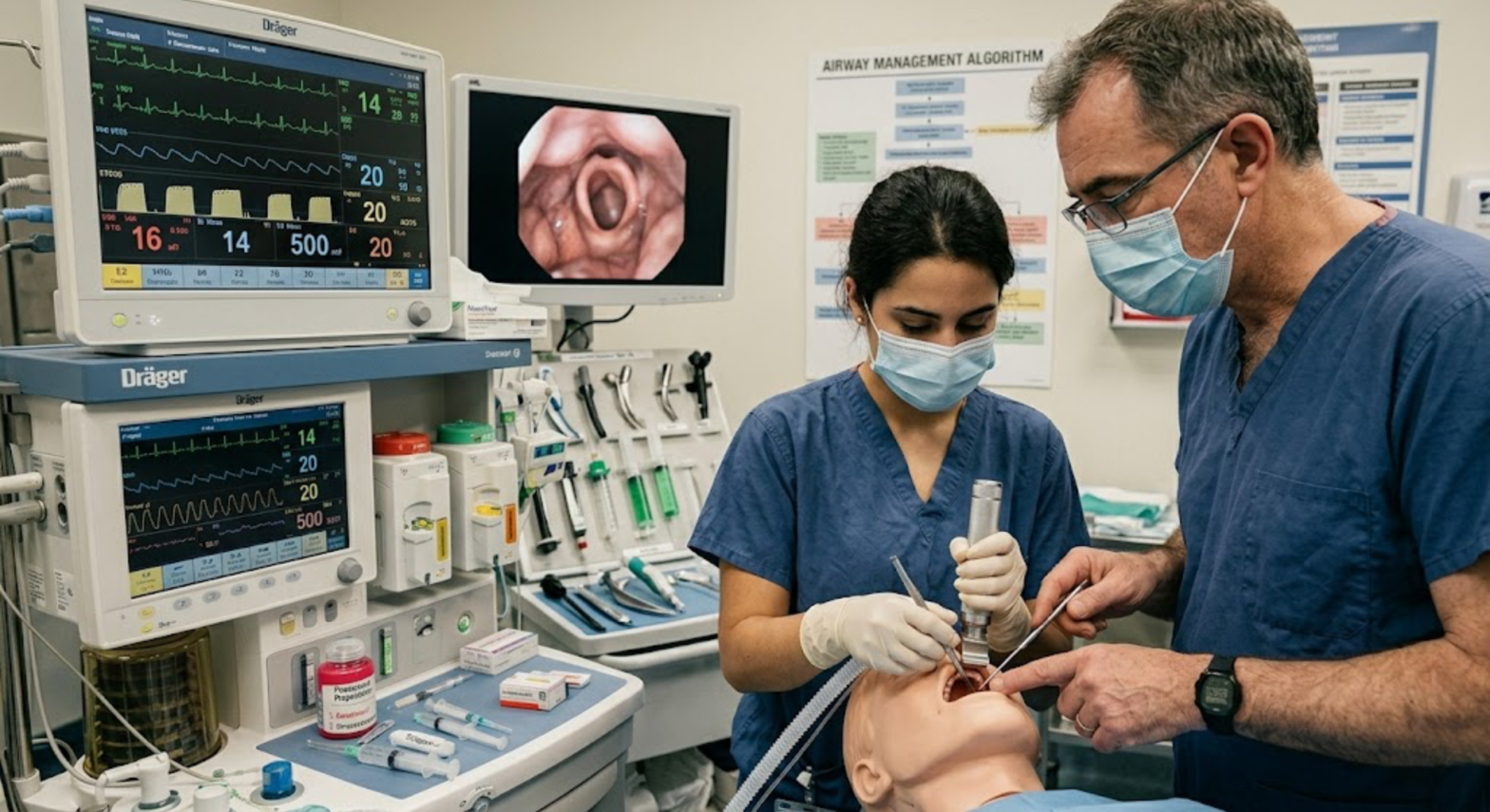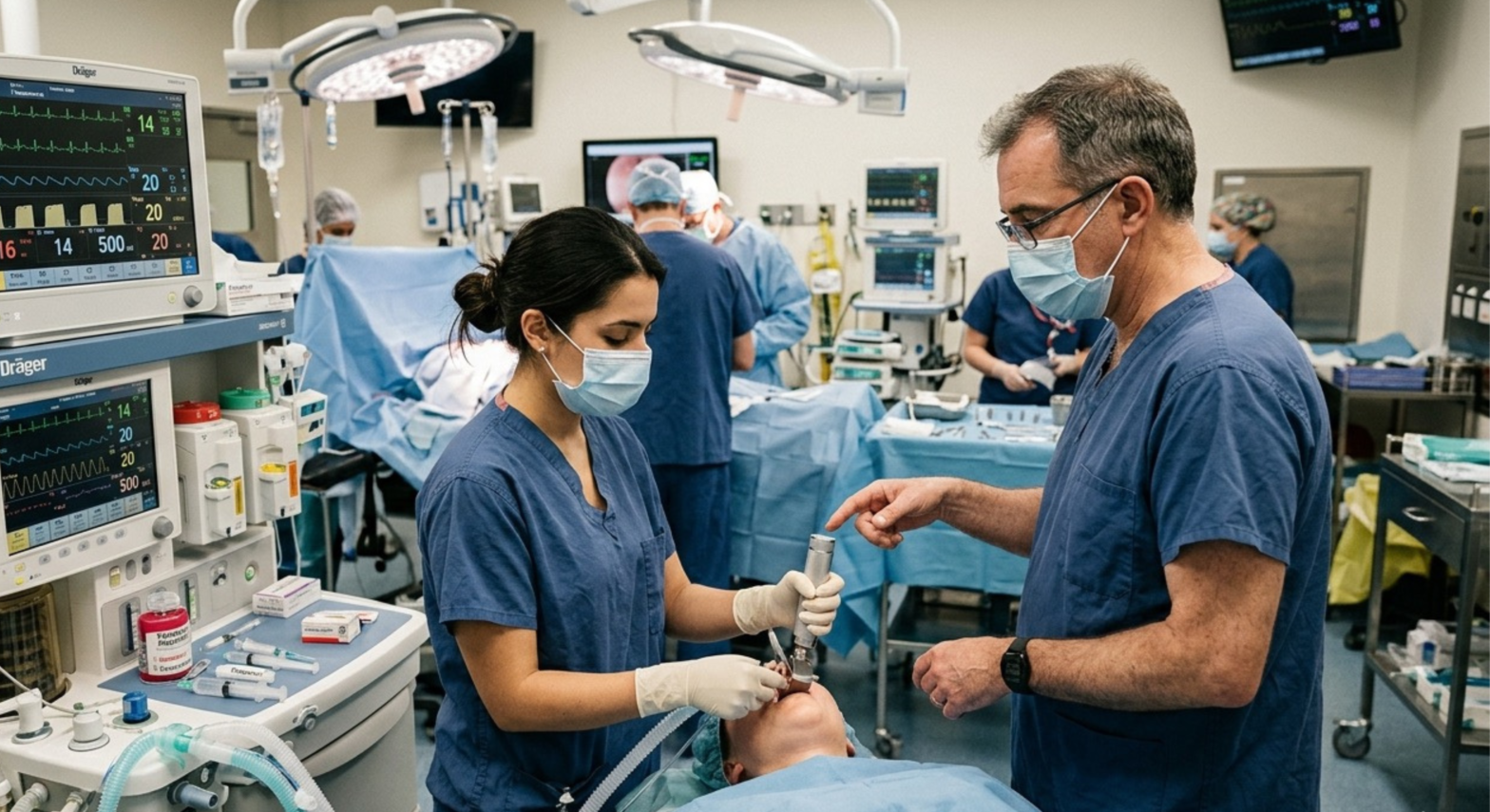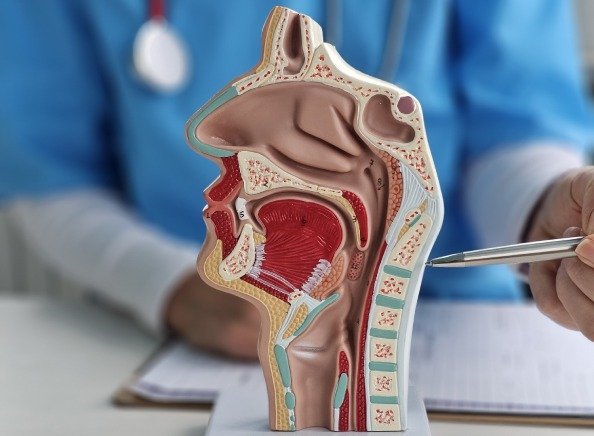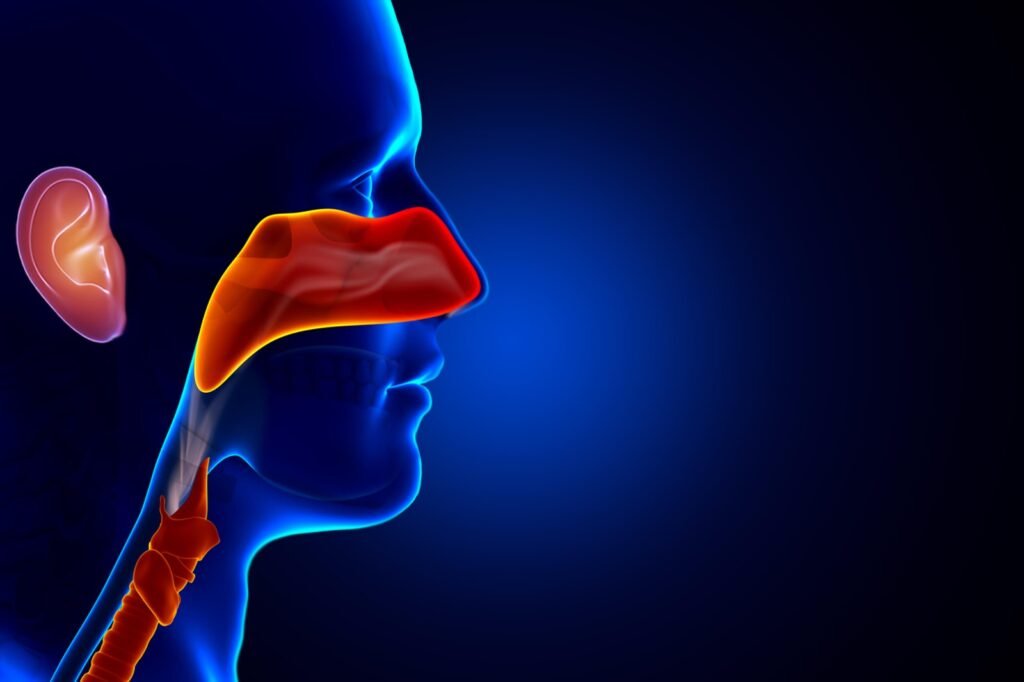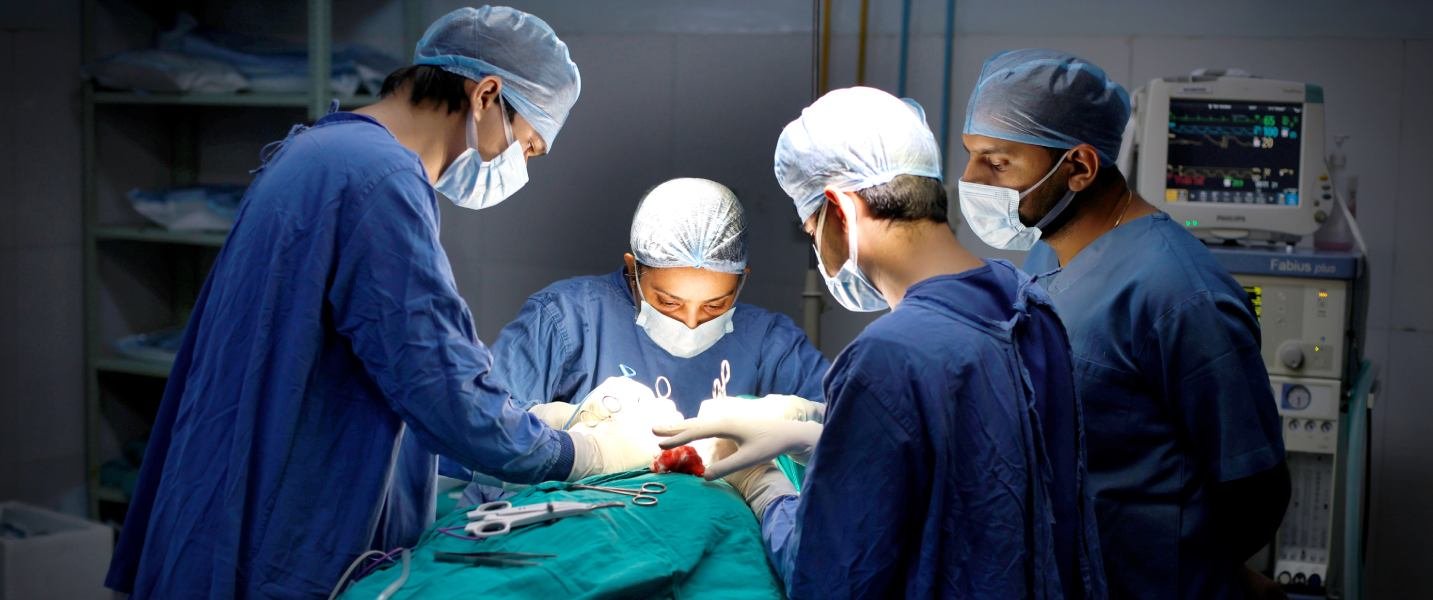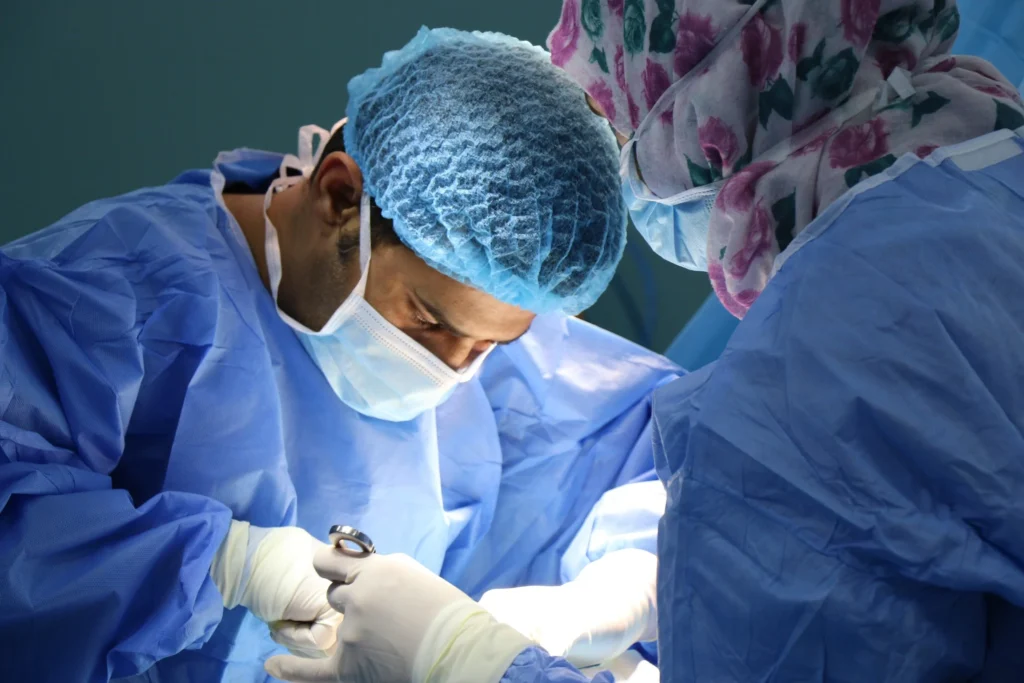
Cardiac Anatomy & Physiology Relevant to Anaesthesia

Cardiac Anaesthesia Training Program

Cardiac Anaesthesia Training

“Join our Cardiac Anaesthesia Training Program for hands-on clinical cases, expert guidance, and advanced anesthesia skills.”

Cardiac Anaesthesia training with structured preparation, advanced clinical strategies, eligibility guidance, and practical competence support for safe and effective cardiac anaesthesia practice.

Overview of Cardiac Anaesthesia Training Program

The Cardiac Anaesthesia training program offers comprehensive learning through clinical case-based discussions, updated cardiac anaesthesia guidelines, expert-led instruction, and practical understanding required for high-risk cardiac surgical and interventional procedures.

Cardiac anaesthesia is a highly specialized field involving perioperative management of patients undergoing cardiac surgery and complex cardiovascular procedures. Mastery of cardiac anaesthesia is essential to ensure hemodynamic stability, patient safety, and optimal surgical outcomes in line with international cardiac anaesthesia standards.

Scope and Objectives of the Training Program

This training program emphasizes strong theoretical foundations combined with real-world clinical application, ensuring safe, ethical, and evidence-based cardiac anaesthesia practice aligned with global guidelines.

Core Training Syllabus & Focus Areas

  • Cardiac Anatomy & Physiology Relevant to Anaesthesia
  • Pathophysiology of Cardiac Diseases
  • Pharmacology of Cardiac Anaesthetic Agents & Vasoactive Drugs
  • Preoperative Cardiac Assessment & Risk Stratification
  • Monitoring in Cardiac Anaesthesia (Invasive & Advanced Monitoring)
  • Anaesthesia Techniques for Cardiac Surgery
  • Cardiopulmonary Bypass (CPB) Principles & Management
  • Transesophageal Echocardiography (TEE) Basics
  • Hemodynamic Management & Fluid Therapy
  • Postoperative Cardiac Intensive Care Management

Clinical Skills & Practical Focus

  • Pre-induction cardiac evaluation and optimization
  • Hemodynamic monitoring interpretation and management
  • Management of arrhythmias and ischemia
  • Anaesthesia management during cardiopulmonary bypass
  • Weaning from CPB and post-bypass care
  • Management of low cardiac output syndrome
  • Anaesthesia considerations in high-risk cardiac patients
Professional Training for Cardiac Anaesthesia Practice

This training is designed for:

  • Anaesthesiologists
  • Cardiac Anaesthesia Specialists
  • Postgraduate Anaesthesia Trainees
  • Anaesthesia Residents
  • Medical professionals involved in cardiac and thoracic anaesthesia practice
Training Eligibility Criteria
  • Eligibility for Cardiac Anaesthesia training includes:
  • Recognized medical qualification
  • Basic anaesthesia training and clinical experience
  • Valid medical registration
  • Compliance with institutional and regulatory requirements
Benefits of Cardiac Anaesthesia Training
  • With increasing complexity of cardiac surgical procedures, structured training provides:
  • Enhanced confidence in managing cardiac cases
  • Improved understanding of cardiac physiology and monitoring
  • Reduced perioperative complications
  • Better intraoperative hemodynamic control
  • Compliance with international cardiac anaesthesia guidelines
  • Improved patient outcomes
Advanced Cardiac Anaesthesia Training

Cardiac anaesthesia training equips professionals with essential skills required for modern cardiac surgery, interventional cardiology support, and cardiac critical care.

A structured, guideline-based approach ensures safe practice, professional development, and excellence in cardiac anaesthesia care.

Advanced Regional Anaesthesia Training

Regional Anaesthesia Training Program

Regional Anaesthesia Training Program

“Enroll in our Regional Anaesthesia Training Program for hands-on clinical experience, expert faculty, and advanced techniques.” Spinal and Epidural Anaesthesia training with structured preparation, clinical techniques, eligibility guidance, and practical competence support.

Spinal and Epidural Anaesthesia training program offers comprehensive learning with clinical scenarios, updated guidelines, expert-led instruction, and hands-on understanding for safe regional anaesthesia practice.

Spinal and epidural anaesthesia are essential regional anaesthesia techniques widely used in surgical, obstetric, orthopedic, and pain management procedures. Mastery of these techniques is critical for anaesthesia professionals to ensure patient safety, effective pain control, and optimal surgical outcomes in accordance with international standards and clinical guidelines.

Overview of Spinal and Epidural Anaesthesia Training Program

This training program emphasizes both theoretical knowledge and practical clinical application, ensuring safe, ethical, and evidence-based practice aligned with global anaesthesia standards.

Importance of Regional Anaesthesia in Clinical Practice

  • Anatomy of the Spine & Neuraxial Spaces

  • Physiology Relevant to Spinal & Epidural Anaesthesia

  • Pharmacology of Local Anaesthetics & Adjuvants

  • Indications, Contraindications & Patient Selection

  • Spinal Anaesthesia Techniques & Needle Selection

  • Epidural Anaesthesia Techniques & Catheter Placement

  • Combined Spinal-Epidural (CSE) Techniques

  • Monitoring, Patient Safety & Aseptic Protocols

  • Complications, Prevention & Management

  • Post-Procedural Care & Pain Management

Combined Spinal Epidural (CSE) Anaesthesia Training

  • Patient positioning and landmark identification

  • Dose calculation and drug selection

  • Troubleshooting failed or partial blocks

  • Management of hypotension, PDPH, and high spinal block

  • Obstetric spinal and epidural anaesthesia considerations

  • Regional anaesthesia in high-risk patients

Benefits of Spinal and Epidural Anaesthesia Training

This training is designed for:

  • Anaesthesiologists

  • Anaesthesia Specialists

  • Postgraduate Anaesthesia Trainees

  • Anaesthesia Residents

  • Medical professionals involved in regional anaesthesia practice

Obstetric Spinal Anaesthesia Considerations

Eligibility for Spinal and Epidural Anaesthesia training includes:

  • Recognized medical qualification

  • Basic anaesthesia knowledge and clinical exposure

  • Valid medical registration

  • Compliance with institutional or regulatory training requirements

Anaesthesia Knowledge and Clinical Exposure

With increasing emphasis on regional anaesthesia and patient safety, structured training offers:

  • Improved procedural confidence

  • Enhanced understanding of neuraxial anatomy

  • Reduced complication rates

  • Better peri-operative pain control

  • Compliance with international anaesthesia guidelines

  • Improved clinical outcomes

Monitoring and Patient Safety Protocols

Spinal and epidural anaesthesia training equips professionals with essential skills required for modern anaesthesia practice, obstetric care, and pain management services.

A structured, guideline-based approach ensures safe practice, professional growth, and excellence in regional anaesthesia techniques.

MOH Anaesthesia Specialist Exam Overview

MOH Anaesthesia Licensing Examination

MOH Anaesthesia Licensing Examination

MOH Anaesthesia Licensing Examination coaching with structured preparation, clinical scenarios, eligibility guidance, and first-attempt success support.

MOH Anaesthesia Specialist Exam preparation with comprehensive clinical MCQs, updated MOH guidelines, expert-led training, and first-attempt success support.

The MOH Anaesthesia Specialist Exam is a standardized licensing examination conducted by the Ministry of Health (MOH), UAE to evaluate the clinical knowledge, decision-making skills, and practical competence of anaesthesia professionals. This exam is mandatory for medical practitioners seeking licensure and employment under MOH-governed healthcare facilities across the UAE, ensuring high standards of patient safety and quality anaesthesia care.

Overview of MOH Anaesthesia Licensing Examination

The examination assesses both theoretical understanding and real-time clinical application, ensuring safe, ethical, and evidence-based anaesthesia practice in line with MOH regulations and international healthcare standards.

Core Exam Syllabus & Focus Areas

  • General & Regional Anaesthesia

  • Pharmacology of Anaesthetic Agents

  • Airway Management & Mechanical Ventilation

  • Pre-Anaesthetic Evaluation & Risk Stratification

  • Intra-operative Monitoring & Patient Safety

  • Post-Anaesthesia Care & Acute Pain Management

  • Critical Care & Emergency Anaesthesia

  • Ethics, Infection Control & Clinical Governance

Purpose and Scope of the MOH Licensing Exam

  • Computer-based multiple-choice questions (MCQs)

  • Clinical scenario-based and case-oriented questions

  • Time-bound assessment testing accuracy and clinical judgment

  • Questions aligned with MOH policies and international anaesthesia guidelines

  • Emphasis on airway management and emergency protocols

Ministry of Health Anaesthesia Exam Overview

A focused and structured MOH exam preparation strategy is essential for success:

  • Strengthening core anaesthesia principles

  • Practicing MOH-pattern MCQs

  • Emphasis on clinical decision-making scenarios

  • Revision of anaesthetic drug dosages, interactions, and contraindications

  • Review of monitoring standards and emergency response algorithms

Exam Preparation Strategy for Anaesthesiology

  • Peri-operative patient safety guidelines

  • Management of peri-operative complications

  • Difficult airway scenarios

  • Anaesthetic considerations in high-risk patients

  • Emergency anaesthesia and resuscitation protocols

  • Regional anaesthesia and nerve block techniques

Professional Training for Anaesthesia Exams
  • Anaesthesiologists

  • Anaesthesia Specialists

  • Anaesthesia Technicians (as per MOH eligibility criteria)

  • Postgraduate medical professionals seeking MOH licensure in the UAE

Anaesthesia Licensing Eligibility Criteria

Eligibility for the MOH Anaesthesia Specialist Exam is determined by:

  • Recognized medical qualification

  • Required clinical experience

  • Valid primary medical registration

  • Compliance with MOH professional licensing requirements

Benefits of MOH Anaesthesia Exam Training

With rising competition for MOH licensure, structured exam training provides:

  • Improved conceptual clarity

  • Enhanced clinical confidence

  • Higher first-attempt pass rate

  • Access to diverse career opportunities in MOH hospitals and clinics across the UAE

DHA Anaesthesia Specialist Exam

DHA Anaesthesia Specialist Exam

DHA Anaesthesia Specialist Exam

DHA Anaesthesia Specialist Exam preparation with clinical MCQs, updated guidelines, expert training, and first-attempt success support.

The DHA Anaesthesia Specialist Exam is a standardized licensing examination conducted by the Dubai Health Authority (DHA) to assess the clinical knowledge, decision-making ability too, and practical competence of anaesthesia professionals. And this exam is mandatory for medical practitioners seeking licensure and employment in Dubai, UAE, ensuring safe, quality clinical practice.

DHA Anaesthesia Specialist Exam Overview

The examination evaluates both theoretical knowledge and real-world clinical application, ensuring safe, ethical, and evidence-based anaesthesia practice in accordance with DHA and international healthcare standards.

Monitoring and emergency protocol revision

  • General & Regional Anaesthesia

  • Pharmacology of Anaesthetic Agents

  • Airway Management & Mechanical Ventilation

  • Pre-Anaesthetic Assessment & Risk Stratification

  • Intra-operative Monitoring & Patient Safety

  • Post-Anaesthesia Care & Pain Management

  • Critical Care & Emergency Anaesthesia

  • Ethics, Infection Control & Clinical Governance

Anaesthetic drugs pharmacology revision

  • Computer-based multiple-choice questions (MCQs)

  • Clinical scenario-based and case-oriented questions

  • Time-bound exam assessing accuracy and clinical judgment

  • Questions aligned with DHA regulations and international anaesthesia guidelines

Airway management assessment questions

A focused and structured DHA preparation strategy is essential for success:

  • Strengthen core anaesthesia principles

  • Practice DHA-pattern MCQs

  • Emphasize clinical scenarios and decision-making

  • Revise drug dosages, interactions, and contraindications

  • Review monitoring protocols and emergency response algorithms

Perioperative patient safety guidelines
  • Peri-operative complications management

  • Difficult airway scenarios

  • Anaesthetic considerations in high-risk patients

  • Emergency anaesthesia and resuscitation protocols

Regional block techniques syllabus
  • Anaesthesiologists

  • Anaesthesia Specialists

  • Anaesthesia Technicians (as per DHA eligibility criteria)

  • Postgraduate medical professionals seeking Dubai medical licensure

Pre-Anaesthetic Evaluation & Risk Assessment

Eligibility is determined by:

  • Recognized medical qualification

  • Required clinical experience

  • Valid primary medical registration

  • Compliance with DHA professional licensing requirements

Benefits of DHA Anaesthesia Exam Training

With increasing competition, structured DHA exam training helps in:

  • Improved concept clarity

  • Enhanced exam confidence

  • Higher first-attempt pass rate

  • Access to premium healthcare career opportunities in Dubai

Prometric Anaesthesia Specialist Exam

Prometric Anaesthesia Specialist Exam

“Prepare for the Prometric Anaesthesia Specialist Exam with expert guidance, updated syllabus, mock tests, and success strategies. Gain confidence through structured study plans, clinical scenario discussions, high-yield question banks, time management tips, and exam-oriented revision support from experienced anaesthesia educators.”

Prometric Anaesthesia Specialist Exam

Prometric Anaesthesia Training Program

The is a standardized assessment designed to evaluate a candidate’s clinical knowledge, decision-making skills, and practical understanding of modern anaesthesia practice. This exam is mandatory for healthcare professionals seeking licensure or employment in Gulf countries such as Saudi Arabia, UAE, Qatar, Oman, and Bahrain. It covers core areas including general and regional anaesthesia, perioperative care, pain management, patient safety, and emergency response, ensuring candidates meet international standards of anaesthesia practice and clinical competence.

Prometric Anaesthesia Specialist Exam

“The examination covers both theoretical concepts and clinical application, ensuring patient safety and evidence-based anaesthesia care in diverse surgical settings and critical clinical scenarios, including emergency management, perioperative decision-making, and advanced monitoring principles.”

Anaesthesia Specialist Prometric Syllabus

  • General & Regional Anaesthesia

  • Pharmacology of Anaesthetic Drugs

  • Airway Management & Ventilation

  • Pre-operative Evaluation & Risk Assessment

  • Intra-operative Monitoring

  • Post-Anaesthesia Care & Pain Management

  • Critical Care & Emergency Anaesthesia

  • Ethics, Patient Safety & Infection Control

Anaesthesia Prometric Exam for Gulf Countries

  • Computer-based multiple-choice questions (MCQs)

  • Clinical scenario-based questions

  • Time-bound assessment testing accuracy and speed

  • Questions aligned with international anaesthesia guidelines

Subjects Covered in Prometric Anaesthesia Exam

A structured preparation plan is essential to clear the Prometric Anaesthesia exam confidently:

  • Master core anaesthesia concepts

  • Practice high-yield MCQs

  • Focus on clinical scenarios & case-based questions

  • Revise drug dosages, contraindications, and protocols

  • Strengthen knowledge of monitoring standards and emergency management

Clinical Scenario Based Anaesthesia Questions
  • Anaesthesiologists

  • Anaesthesia Specialists

  • Anaesthesia Technicians (as per eligibility)

  • Postgraduate medical professionals seeking Gulf licensure

Eligibility for Prometric Anaesthesia Specialist Exam

With increasing competition improves:

  • Concept clarity

  • Exam confidence

  • First-attempt success rate

  • International career opportunities

Spinal & Epidural Anaesthesia Anywhere

Spinal Epidural Anaesthesia Services

Spinal & Epidural Anaesthesia ensures precision numbness, controlled pain relief, and safe neuraxial care across diverse medical settings.

Best Spinal Epidural Anaesthesia Services

Pain relief doesn’t always wait for a major operating room.
Sometimes it’s needed in labor wards, trauma units, orthopedic suites, emergency rooms, and pain clinics — places where procedures are essential, delicate, and urgent.

This is where Neuraxial Anaesthesia steps forward.

Spinal and Epidural techniques bring anesthesia to the patient, instead of bringing the patient into deeper surgical care.
They turn tense, painful moments into controlled comfort, creating islands of relief in environments never meant for major anesthesia setups.

Safe Neuraxial Anaesthesia Techniques

Before the needle touches the spine or the catheter threads through the epidural space, the clinician must understand the patient, anatomy, and procedural demands.
Unlike general anesthesia — where airways, monitoring, and medications dominate — neuraxial anesthesia demands precision, calm, and anticipation.

Neuraxial Anaesthesia Expert Support

Spinal & Epidural anesthesia blends anatomy, pharmacology, and clinical judgment into a disciplined art.

A skilled anesthesia provider brings precision to dynamic environments — guiding needles between vertebrae in labor rooms, providing pain relief in trauma bays, or managing epidural infusions during long surgeries.

Spinal Anaesthesia for Lower Body Surgery

Just enough to numb — not enough to compromise consciousness.
From labor analgesia to lower-body surgeries, every dose is calibrated with purpose.

🛡️ Enhance Safety for Key Procedures

Neuraxial blocks support situations where pain control is essential — orthopedic procedures, obstetrics, urology, vascular surgeries, and trauma interventions.

🧘 Improve Patient Experience

A calm mind replaces fear.
Pain dissolves into a controlled numbness.
Awareness remains, but distress disappears.

⚙️ Enable Major Procedures Without General Anaesthesia

Modern medicine increasingly uses neuraxial blocks for surgeries once dominated by general anesthesia.
Spinal & Epidural techniques make that transition safe and effective.

In the quiet theater of patient care, neuraxial anesthesia is the steady hand balancing pain relief, stability, and precision.

Neuraxial Anaesthesia Expert Support

Spinal & Epidural techniques are effective — but require vigilance and expertise.

🩺 What to Expect After the Block:

  • Temporary numbness and weakness in the lower body.

  • Gradual return of movement and sensation.

  • Monitoring until vitals stabilize and the block regresses safely.

A responsible escort is required if the patient is discharged.


⚠️ When Neuraxial Anaesthesia Requires Extra Caution:

  • Anticoagulated patients or bleeding risks.

  • Spine abnormalities or severe scoliosis.

  • Long or complex surgeries without adequate monitoring.

  • Unpredictable or unstable hemodynamics.


🛠️ Aftercare Includes:

  • Monitoring for headache, nausea, or prolonged numbness.

  • Clear instructions about mobility and fall risk.

  • Avoiding strenuous activity until the block fully wears off.

With precision and vigilance, neuraxial anesthesia transforms painful procedures into safe, controlled, and comforting experiences.

Spinal Anaesthesia for Orthopedics

Spinal & Epidural Anaesthesia is more than a technique — it is a promise of relief and safety where patients need it most.

It represents modern medicine’s evolution:
gentle childbirth, safer surgeries, improved recovery, and pain-free movement.

Behind every mother delivering calmly, every smooth knee replacement, every painless urologic procedure — stands the neuraxial anesthesia provider ensuring numbness where it matters, comfort where it’s needed, and safety throughout.

Neuraxial anesthesia is the quiet guardian of lower-body surgery.
The invisible shield of labor pain relief.
The steady architect of controlled comfort.

NORA — Non-Operating Room Anaesthesia

Advanced Safe Sedation Anywhere

Advanced Safe Sedation Anywhere ensures patient comfort, reliable monitoring, and expert anesthesia support across diverse medical settings.

Best Advanced Safe Sedation Anywhere

Pain and anxiety don’t always wait for the grand stage of the operating theatre.
Sometimes they appear in the quiet corners of medicine — in endoscopy suites, imaging rooms, catheterization labs, oncology centers, and emergency units — where procedures are delicate, quick, and essential, yet no less daunting.

This is where NORA steps forward.

NORA is anesthesia beyond the OR, a form of care that travels to the patient rather than the patient traveling to the operating room.
It’s the quiet art of creating safety and comfort in places never designed for surgery, turning unfamiliar spaces into havens of calm.

👉 Golden Principle:

“Right sedation, right setting, right safety — anywhere.”

Non-Operating Room Anaesthesia Services

Before sedatives flow or monitors blink, the clinician must first map the environment, the patient, and the demands of the procedure.
Unlike the OR — where staff, equipment, and protocols are predictable — NORA requires adaptability and anticipation.

🩺 Patient Assessment:

A careful history guides the choice of sedation:

  • Existing medical conditions (cardiac, respiratory, neurologic risks).

  • Airway assessment — crucial when the procedure room is not optimized for difficult airways.

  • Previous anesthesia experiences or sensitivities.

  • Level of anxiety, pain thresholds, and procedural expectations.

🩺 Environmental Assessment:

Because every NORA location is different:

  • Is the room equipped with essential monitors (ECG, pulse oximetry, capnography)?

  • Is emergency equipment immediately available?

  • Are staff familiar with anesthesia protocols?

  • Is there enough space for airway management if needed?

🩺 Procedure Assessment:

NORA sedation isn’t “one size fits all.”

  • Short procedures may need light sedation.

  • Long or painful ones may require deep sedation or full anesthesia.

  • Some require complete stillness (e.g., MRI), while others demand patient cooperation.

✨ In NORA, knowing the setting is half the safety.

Environmental & Procedural Factors That Define NORA Safety

NORA blends pharmacology, physiology, and situational awareness into a fluid art.

A skilled anesthesia provider brings order to non-OR chaos — establishing IV access in tight hallways, managing sedation inside magnetic fields, or monitoring a pacemaker during a cardiac procedure.

🎭 What NORA Can Do:

🌬️ Provide Tailored Sedation and Anxiolysis

Enough to calm, not enough to compromise safety.
From minimal sedation for imaging to deep sedation for endoscopy, each dose is tuned like a musical note.

🛡️ Enhance Safety in High-Risk Spaces

NORA supports procedures where discomfort or anxiety would otherwise hinder success — biopsies, cardioversions, interventional radiology, pediatric imaging, and more.

🧘 Improve Patient Experience

A gentle sleep replaces fear.
A calm mind replaces tension.
A smooth awakening replaces dread.

⚙️ Enable Complex Procedures Outside the OR

Modern medicine has migrated many interventions out of surgery suites.
NORA makes that migration safe and seamless.

✨ In the symphony of procedural care, NORA is the quiet conductor balancing depth of sedation, patient safety, and procedural needs.

Recovery, Aftercare & Post-Sedation Safety Guidelines

NORA is part of a broader strategy that emphasizes patient comfort, faster workflows, and reduced need for invasive anesthesia.

✔️ Streamlined Recovery

Most NORA patients wake quickly, recover fast, and go home sooner — enhancing efficiency and satisfaction.

✔️ Anxiety & Pain Management

NORA integrates non-pharmacologic techniques: reassurance, positioning, communication, and empathy.

✔️ Supporting Team-Based Care

By facilitating cooperation among radiologists, gastroenterologists, cardiologists, and nurses, NORA becomes a bridge between specialties.

✔️ Expanding Access to Care

Sedation allows procedures that might otherwise be intolerable — especially for children, anxious patients, or those with special needs.

✨ NORA turns procedural medicine into a holistic experience — where comfort is prioritized just as much as clinical success.

Minimal to Deep Sedation for Different Procedures

NORA is powerful — but it must be practiced with heightened awareness.

🩺 What to Expect After NORA Sedation:

  • Grogginess or light-headedness for a short period.

  • Temporary lack of coordination.

  • Continued monitoring until alert, stable, and able to mobilize safely.

  • A trained escort is usually required for discharge.

⚠️ When NORA Requires Special Caution:

  • High-risk airways in remote locations.

  • Long or complex procedures without adequate monitoring.

  • Limited access to emergency support.

  • Patients with severe cardiopulmonary disease.

🛠️ Aftercare:

  • Clear communication about post-sedation restrictions.

  • Observation for nausea, dizziness, or delayed sedation effects.

  • Ensuring patients do not drive, operate machinery, or make important decisions for 24 hours.

✨ With skill and vigilance, NORA transforms unfamiliar spaces into safe sanctuaries of healing.

Sedation for MRI, Endoscopy, IR & Cardiology

NORA — Non-Operating Room Anaesthesia — is more than sedation outside the OR.
It is the promise that comfort and safety can travel anywhere the patient needs care.

It reflects a new era of medicine:
where procedures are broader, spaces are diverse, and the need for calm is universal.

Behind every patient who undergoes an MRI without fear, every smooth endoscopy, every comfortable cardiology intervention — stands an anesthesia provider bringing the OR’s safety to the world beyond its doors.

NORA is the quiet guardian of modern procedural medicine.
The invisible anchor of safety.
The artist of calm.

And in that gentle, reassuring silence — healing finds room to begin.

Mastering Pain Medicine: The Art of Easing Suffering and Restoring Life

Peripheral Targeted Pain Relief

Peripheral Targeted Pain Relief offers precise, non-surgical treatment to reduce nerve pain, improve mobility, and restore comfort.

Pain is more than a feeling — sometimes it is a whisper traveling down hidden nerve highways, a signal of distress that’s invisible, misunderstood, and isolating. Peripheral nerve blocks give pain specialists the power to intercept that signal: to silence what should not speak, and bring calm to the restless nervous system.

Whether the pain arises from a nerve entrapment, an injury, chronic inflammation, or post-surgical irritation — nerves carry the burden. The goal is simple but profound: stop the message of suffering before it reaches the brain.

👉 Golden Principle: “Block the signal, restore peace.”

Best Peripheral Targeted Pain Relief

Before any block is considered, careful assessment is key — because these aren’t generic band-aids.

🩺 Patient Assessment:

  • Detailed history of when, where, how the pain started — whether constant or intermittent, sharp or burning, triggered by movement, touch, or spontaneously.

  • Consideration of prior injuries, surgeries, nerve lesions, or nerve-related symptoms.

  • Assessment of functional limitation: loss of strength or mobility; difficulty with daily tasks; quality-of-life impact.

🩺 Examination:

  • Neurological and sensory examination — to identify which nerve might be responsible.

  • Identification of nerve distribution, areas of numbness or tingling, nerve entrapment signs, or nerve-related pain patterns.

🩺 Investigations (as needed):

  • Imaging (if structural problem suspected) or nerve studies.

  • Ultrasound or nerve-stimulator guidance may be used to localize the exact nerve before block.

✨ In nerve-block based pain medicine, understanding the pain’s origin is half the cure.

Diagnostic Nerve Blocks to Identify Pain Source

Peripheral nerve blocks bring together anatomy, technique, and empathy. A skilled clinician guides a fine needle (often under ultrasound or nerve-stimulator guidance) to the nerve or nerve cluster responsible for pain, and injects local anesthetic — sometimes with additives — to interrupt pain signals.

Protecting the Numb Limb After the Procedure

  • Targeted Pain Relief: The block numbs sensation in a specific area (arm, leg, hand, foot, etc.), preventing pain messages from traveling. The Royal College of Anaesthetists+2NCBI+2

  • Alternative to General Anesthesia: For surgeries of limbs or other regions, nerve block can sometimes replace or reduce need for general anesthesia — reducing systemic risks. The Royal College of Anaesthetists+2University of Utah Healthcare+2

  • Post-Surgical & Post-Injury Pain Control: By numbing the surgical/injured area, patients often experience less pain immediately after surgery or trauma, enabling earlier rehabilitation and mobility. Allina Health+2SpringerLink+2

  • Chronic / Neuropathic Pain Relief: For persistent nerve-related pain (nerve entrapment, neuropathy, complex regional pain syndrome, nerve injury), blocks can offer relief when systemic medications are insufficient or cause side effects. DoveMed+2PubMed+2

Depending on the technique, blocks may be administered as a single injection or as a continuous infusion (via a catheter) for prolonged pain control. DoveMed+2PubMed+2

✨ In the theatre of pain, a peripheral nerve block is a precise strike — turning off the alarm without damaging the building.

Conditions Treated With Peripheral Nerve Blocks

A nerve block is rarely the whole story — often it is a crucial note in a broader symphony of pain management.

  • Multimodal Analgesia: Nerve blocks may reduce or eliminate the need for systemic opioids — minimizing their side-effects (nausea, sedation, constipation, risk of dependence) and improving overall safety. University of Iowa Health Care+2DoveMed+2

  • Facilitating Rehabilitation & Recovery: With effective pain relief, patients can participate sooner in physical therapy, mobilize earlier after surgery or injury, and recover function more quickly. SpringerLink+2University of Utah Healthcare+2

  • Diagnostic Uses: Sometimes blocks are used to help identify the source of pain — by blocking specific nerves temporarily, clinicians can assess which nerve contributes to pain before committing to more permanent interventions. Hopkins Medicine+1

In many cases, the block becomes part of a long-term plan: restoring mobility, reducing inflammation, healing tissue, while avoiding the pitfalls of systemic drug therapy.

Ultrasound-Guided Peripheral Nerve Block Procedure

A nerve block is powerful — but like all medical tools, it must be used with insight, care, and follow-through.

🩺 What to expect after a block:

⚠️ When nerve blocks are not ideal:

  • If there’s an infection at injection site, bleeding disorders, or previous nerve damage in the region — risks may outweigh benefits. Hopkins Medicine+1

  • If used without proper indication (e.g. for non-nerve related pain), the relief may be limited or short-lived.

🩹 Aftercare & Rehabilitation:

  • Gradual restoration of movement and strength.

  • Physical therapy to regain function and prevent stiffness.

  • Monitoring for any return of pain or neurological symptoms.

  • Considering repeat blocks or alternative interventions if pain recurs.

✨ When carefully used, peripheral nerve blocks offer more than temporary silence — they open the door for healing, rehabilitation, and reclaiming life without chronic pain.

Risks and Side Effects of Nerve Blocks

Peripheral Nerve Blocks are more than injections — they are the art and science of intercepting suffering at its source. In the hands of a skilled pain specialist, a single injection becomes a turning point — from pain as a burden to pain as a transient signal, one that can be silenced.

Behind every relieved limb, every resumed movement, every liberated breath — stands a clinician armed with knowledge, precision, and compassion.

It’s not just about blocking nerves — it’s about restoring movement, dignity, and hope.

So the next time someone rises from chronic pain to walk, to heal, to live — know that the transformation may have begun with a Peripheral Nerve Block: the invisible guardian of comfort, the silent architect of renewed life.

Mastering Pain Medicine: The Art of Easing Suffering and Restoring Life

Mastering Pain Medicine: The Art of Easing Suffering and Restoring Life

The patient walks in carrying the invisible burden of pain—chronic, overwhelming, and often misunderstood.
At the center stands the pain specialist—the healer of silent suffering—blending anatomy, empathy, precision, and science.

This is Pain Medicine—where relief is crafted, resilience is rebuilt, and life begins again.


🌈 Act I: The Mystery of Pain—Understanding the Enemy Within

Pain is more than a symptom—it is a story written across nerves, tissues, and emotions.
Pain medicine gives clinicians the power to decode this story and offer a path to healing.

From neuropathic sparks to musculoskeletal strain, from inflammatory pathways to psychological echoes—
Pain is complex, but not undefeatable.

👉 Golden Principle: “Treat the person, not just the pain.”

The mission is simple yet profound—restore function, improve quality of life, and return patients to themselves.


🌈 Act II: The First Encounter—Assessment as a Healing Ritual

Every successful pain treatment begins with a listening ear.
In pain medicine, diagnosis isn’t just clinical—it is compassionate.

🩺 Patient Assessment:

  • Detailed history of pain origin, pattern, intensity, and triggers

  • Evaluation of red flags, previous interventions, and functional limitations

  • Screening for emotional and psychosocial influences

🩺 Examination:

  • Neurological, musculoskeletal, and orthopedic assessment

  • Identifying tender points, nerve involvement, or mobility restrictions

🩺 Investigations:

MRI, CT, ultrasound, nerve conduction studies, and diagnostic injections—each tool reveals another layer.

In pain medicine, understanding the pain is half the cure.


🌈 Act III: The Interventions—Precision That Restores Peace

Pain medicine is a blend of artistry and anatomy—
Every injection, every block, every therapy performed with mindful intent.

🎭 Nerve Blocks:

Targeted relief delivered at the exact source of pain.
From occipital blocks to sciatic blocks—one precise injection can silence weeks of suffering.

🎭 Epidural Steroid Injections:

Ideal for disc herniation, radiculopathy, or spinal stenosis.
Reducing inflammation, improving mobility, and restoring comfort.

🎭 Facet Joint & Medial Branch Blocks:

For neck and lower back pain arising from arthritic joints.
When the joint aches, the block calms it.

🎭 Radiofrequency Ablation (RFA):

A longer-lasting intervention that gently deactivates pain-carrying nerves—
Turning down the volume on chronic pain.

🎭 Trigger Point Injections:

Dissolving painful muscle knots that restrict movement and cause radiating discomfort.

Pain interventions are choreography—each technique shifting the rhythm from pain to relief.


🌈 Act IV: When Pain Persists—The Science of Multimodal Mastery

Chronic pain doesn’t always vanish with one technique.
Some battles require layered strategies.

The pain specialist becomes a conductor of approaches:

  • Medications—NSAIDs, neuropathic agents, muscle relaxants

  • Physical therapy—to rebuild strength and mobility

  • Cognitive-behavioral therapy—to break the emotional loop of pain

  • Lifestyle guidance—to reduce triggers and enhance healing

✨ True healing lies in a holistic approach where body, mind, and movement unite.


🌈 Act V: Rehabilitation & The Return of Life

Pain relief is not the end—it is the beginning.
Rehabilitation brings patients back into motion, work, and joy.

🩺 Post-Treatment Care Includes:

  • Monitoring response to interventions

  • Gradual restoration of daily activities

  • Exercises for strengthening core and improving posture

  • Long-term strategies to prevent recurrence

✨ When pain fades and function returns, the patient doesn’t just heal—they rediscover living.


🌟 Curtain Call

Pain Medicine is more than procedures—
It is the promise that no one has to live in silent suffering.

Behind every relieved breath, every pain-free step, every returning smile—
Stands a pain specialist who has mastered this delicate science of relief.

It’s not just about treating pain—it’s about restoring life, dignity, and hope.

So the next time a patient stands tall after years of discomfort, remember:
Before strength returned, before motion came back—
The transformation began with Pain Medicine, the guardian of comfort and the architect of renewed life.

Mastering Spinal and Epidural Anesthesia: The Symphony of Sensation and Stillness

Mastering Spinal and Epidural Anesthesia: The Symphony of Sensation and Stillness

The patient lies calm, comforted, and unaware of the precise choreography about to unfold.
At the center of it all stands the anesthesiologist—the unseen artist—blending science, skill, and intuition to craft a pain-free experience.
This is Spinal and Epidural Anesthesia—the art of controlled numbness, the science of perfect balance.


🌈 Act I: The Power Within—Understanding Regional Anesthesia

Spinal and epidural anesthesia are gateways to the central nervous system—gentle yet powerful techniques that bring profound stillness without taking away consciousness.

They work by blocking nerve transmission within the spinal cord, stopping pain before it even begins.
No inhaled gases, no deep unconsciousness—just quiet control, patient comfort, and surgical precision.

Every anesthesiologist knows this truth: when you master the spine, you master the moment.

👉 Golden Principle: “Block the pain, not the person.”

The goal is simple—achieve surgical anesthesia while preserving physiological harmony.


🌈 Act II: The Pre-Performance Ritual—Preparation is Perfection

Before every spinal or epidural, preparation is the silent ritual of mastery.

🩺 Patient Assessment:

  • Review history—coagulopathy, infection, spinal deformity, or neurological disorders.

  • Check hydration status, fasting hours, and consent.

🩺 Positioning:

  • Flex the spine like a “curved bow”—a clear path for the needle to glide.

  • Comfort and precision go hand-in-hand; a calm patient means an easier procedure.

🩺 Equipment Check:

  • Needles (Quincke or Whitacre), sterile drapes, local anesthetic, antiseptic solution, and resuscitation drugs ready at hand.

✨ In regional anesthesia, success begins before the needle touches the skin.


🌈 Act III: The Technique—Precision in Every Millimeter

🎭 Spinal Anesthesia:
A single, focused injection into the subarachnoid space—quick, elegant, and potent.
It brings instant numbness below the chosen level, ideal for lower abdominal, pelvic, and lower limb surgeries.

Key Steps:

  1. Identify the L3-L4 or L4-L5 interspace.

  2. Use aseptic technique and local infiltration.

  3. Feel the “pop” as the needle enters the cerebrospinal fluid.

  4. Administer the precise dose—small, but powerful.

Spinal anesthesia is poetry in precision—tiny volume, total effect.

🎭 Epidural Anesthesia:
A more versatile, titratable technique—administered into the epidural space, just outside the dura mater.
It allows gradual onset, adjustable dosing, and prolonged pain relief—perfect for labor, major abdominal, or thoracic procedures.

Key Steps:

  1. Locate the epidural space using the “loss of resistance” technique.

  2. Thread the catheter gently for continuous infusion.

  3. Test dose to confirm correct placement.

  4. Adjust levels as needed—comfort, control, and continuity.

Epidural anesthesia is an orchestra—you conduct, adjust, and sustain the harmony.


🌈 Act IV: When Challenges Arise—The Calm Within the Storm

Even the most experienced hands can meet resistance.
Failed blocks, high spinal spread, or hypotension test both patience and preparedness.

The secret lies in anticipation, not reaction.

  • Always monitor blood pressure and oxygen saturation closely.

  • Be ready with fluids, vasopressors, and airway support.

  • Stay composed—because calm decisions save outcomes.

In regional anesthesia, vigilance is your safety net.


🌈 Act V: Recovery and Beyond—The Gentle Return to Feeling

The artistry of spinal and epidural anesthesia doesn’t end when the surgery does.
Recovery is the final movement of the symphony—where sensation, strength, and comfort gradually return.

🩺 Post-Anesthesia Care Includes:

  • Monitoring for hypotension, urinary retention, or headache.

  • Ensuring gradual motor and sensory recovery.

  • Providing effective post-operative pain control with epidural infusions if needed.

✨ The smooth transition from anesthesia to awareness marks the true finesse of the anesthesiologist.


🌟 Curtain Call

Spinal and Epidural Anesthesia represent more than just techniques—they embody the anesthesiologist’s promise of safety, comfort, and precision.
Behind every calm patient, every silent surgery, and every pain-free recovery stands a clinician who has mastered this delicate dialogue between nerves and needles.

It’s not merely about blocking pain—it’s about orchestrating stillness, trust, and healing.

So the next time you witness a serene surgery, remember:
Before the first incision, before the first heartbeat under the scalpel—
The story begins with Spinal and Epidural Anesthesia, the twin guardians of calm and control.