Anaesthesia for ENT Surgery Clinical Training

Anaesthesia for ENT Surgery Clinical Training offering practical skills, expert guidance, hands-on learning, and professional certification.Top Anaesthesia for ENT Surgery Training Program offers expert training, advanced airway management techniques, perioperative care, and clinical certification for healthcare professionals.
Comprehensive Top Anaesthesia for ENT Surgery Training Program offering in-depth knowledge, practical insights, and advanced clinical concepts for medical students, anaesthesiologists, healthcare professionals, and aspiring ENT anaesthesia specialists.
Best Anaesthesia for ENT Surgery Clinical Training
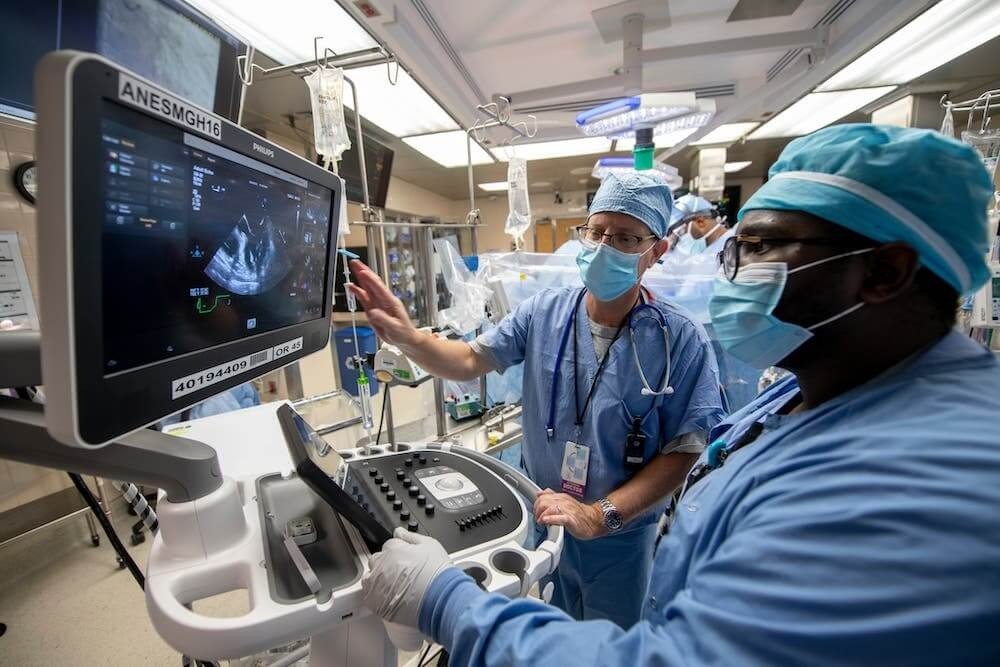
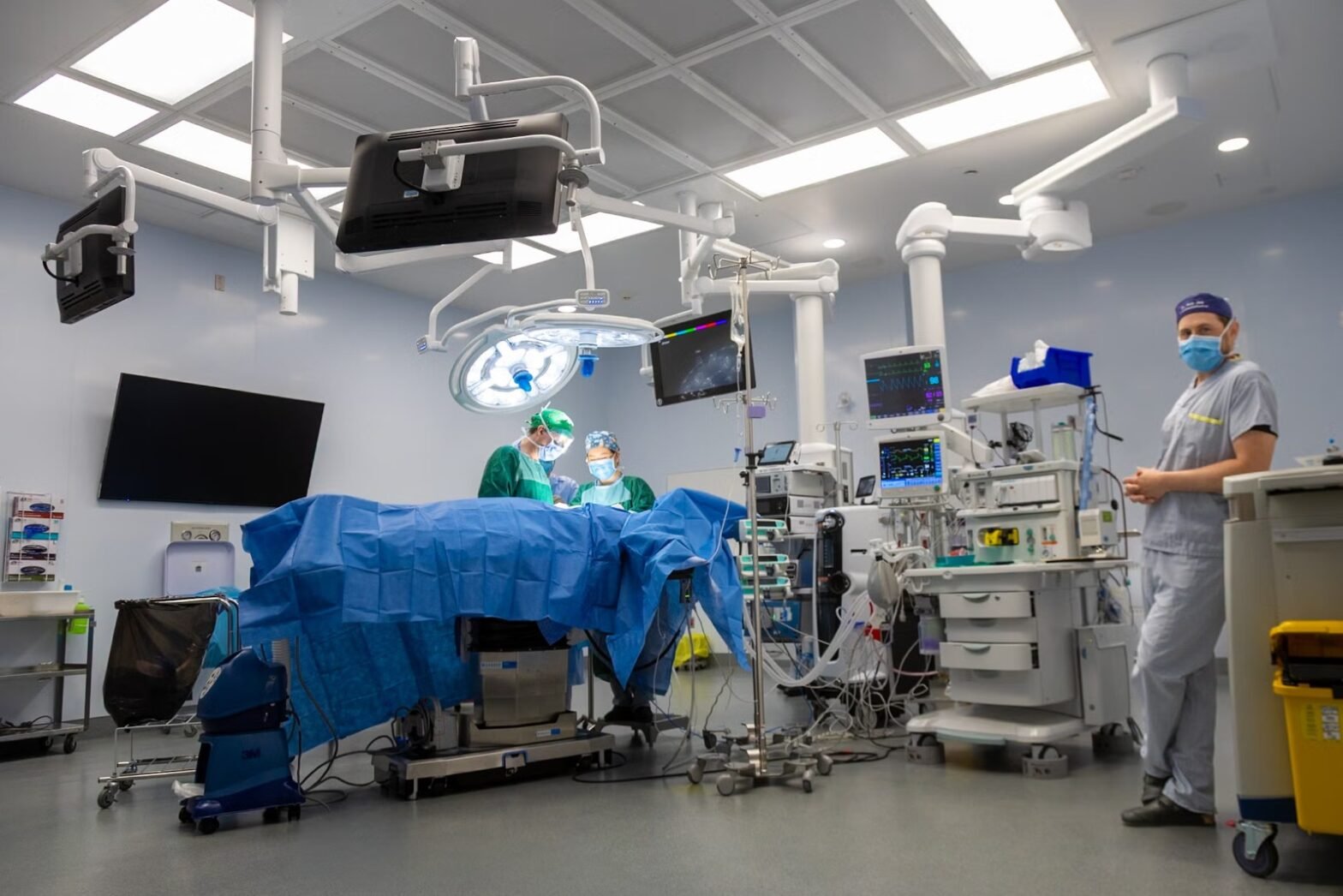
The Anaesthesia for ENT Surgery Training Program provides comprehensive education through case-based discussions, expert-led sessions, simulation-based learning, and practical clinical exposure required for safely managing patients undergoing ear, nose, throat, head, and neck surgical procedures.
Anaesthesia for ENT Surgery is a specialized area of anaesthesiology that focuses on airway management, perioperative monitoring, patient safety, and anaesthetic techniques for ENT procedures. It requires a thorough understanding of shared airway challenges, difficult airway management, pediatric and adult ENT anaesthesia, and postoperative airway care to achieve optimal surgical outcomes.
Expert Guidance for ENT Anaesthesia Learning
This training program combines comprehensive theoretical knowledge with practical clinical experience, enabling participants to confidently manage ENT surgical patients while following evidence-based protocols and international patient safety standards.
Anaesthesia for ENT Surgery Course
Airway Anatomy & Physiology
Understanding upper airway anatomy, respiratory physiology, and anatomical variations relevant to ENT surgical procedures.
Preoperative Patient Assessment
Comprehensive medical evaluation, airway assessment, risk stratification, and optimization before ENT surgery.
Anaesthetic Techniques for ENT Procedures
General anaesthesia, total intravenous anaesthesia (TIVA), inhalational anaesthesia, regional blocks, and sedation techniques.
Advanced Airway Management
Management of difficult airways, fiberoptic intubation, video laryngoscopy, supraglottic airway devices, and emergency airway techniques.
Intraoperative Monitoring
Continuous monitoring using ECG, pulse oximetry, capnography, blood pressure, temperature, neuromuscular monitoring, and fluid management.
Pain Management in ENT Surgery
Multimodal analgesia, regional nerve blocks, opioid-sparing techniques, and postoperative pain management protocols.
Postoperative Airway Care
Recovery room management, airway observation, nausea and vomiting prevention, pain control, and respiratory support.
Emergency Management During ENT Surgery
Management of airway obstruction, laryngospasm, bronchospasm, bleeding, aspiration, difficult extubation, and perioperative emergencies.
Benefits of ENT Anaesthesia
- Safe airway management during ENT procedures
- Effective perioperative patient assessment
- Advanced difficult airway management skills
- Optimized anaesthetic techniques for ENT surgery
- Improved patient safety and surgical outcomes
- Effective postoperative pain management
- Prevention and management of airway complications
- Evidence-based anaesthesia protocols for ENT procedures
Professional Training for ENT Anaesthesia Practice
This training is designed for:
- Medical Students
- Anaesthesiology Postgraduates
- Practicing Anaesthesiologists
- ENT Anaesthesia Fellows
- Critical Care Specialists
- Healthcare Professionals involved in Perioperative Care
Advanced Anaesthesia for ENT Surgery Training
Anaesthesia for ENT Surgery Training equips medical professionals with advanced knowledge of airway anatomy, perioperative anaesthetic management, difficult airway techniques, patient monitoring, pain management, emergency airway interventions, postoperative recovery, and evidence-based clinical practices, helping them deliver safe, effective, and high-quality anaesthesia care for patients undergoing ear, nose, throat, head, and neck surgical procedures.