Mastering Spinal and Epidural Anesthesia: The Symphony of Sensation and Stillness

Mastering Spinal and Epidural Anesthesia: The Symphony of Sensation and Stillness

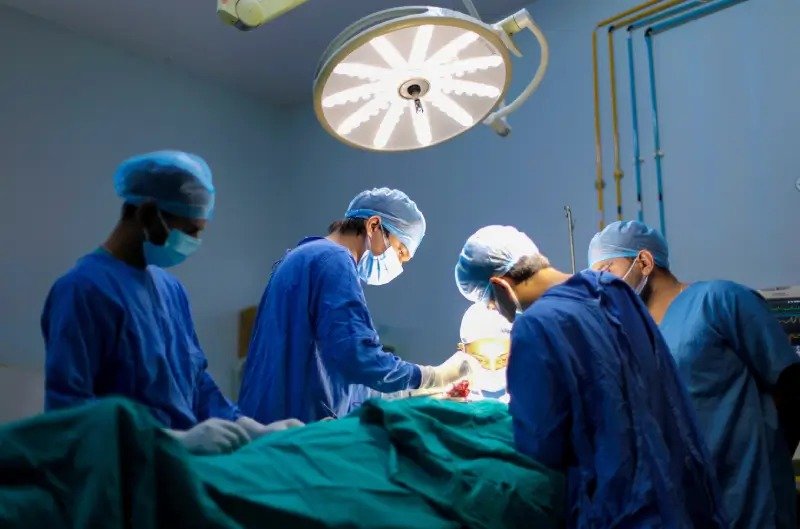
The patient lies calm, comforted, and unaware of the precise choreography about to unfold.
At the center of it all stands the anesthesiologist—the unseen artist—blending science, skill, and intuition to craft a pain-free experience.
This is Spinal and Epidural Anesthesia—the art of controlled numbness, the science of perfect balance.


🌈 Act I: The Power Within—Understanding Regional Anesthesia

Spinal and epidural anesthesia are gateways to the central nervous system—gentle yet powerful techniques that bring profound stillness without taking away consciousness.

They work by blocking nerve transmission within the spinal cord, stopping pain before it even begins.
No inhaled gases, no deep unconsciousness—just quiet control, patient comfort, and surgical precision.

Every anesthesiologist knows this truth: when you master the spine, you master the moment.

👉 Golden Principle: “Block the pain, not the person.”

The goal is simple—achieve surgical anesthesia while preserving physiological harmony.


🌈 Act II: The Pre-Performance Ritual—Preparation is Perfection

Before every spinal or epidural, preparation is the silent ritual of mastery.

🩺 Patient Assessment:

  • Review history—coagulopathy, infection, spinal deformity, or neurological disorders.

  • Check hydration status, fasting hours, and consent.

🩺 Positioning:

  • Flex the spine like a “curved bow”—a clear path for the needle to glide.

  • Comfort and precision go hand-in-hand; a calm patient means an easier procedure.

🩺 Equipment Check:

  • Needles (Quincke or Whitacre), sterile drapes, local anesthetic, antiseptic solution, and resuscitation drugs ready at hand.

✨ In regional anesthesia, success begins before the needle touches the skin.


🌈 Act III: The Technique—Precision in Every Millimeter

🎭 Spinal Anesthesia:
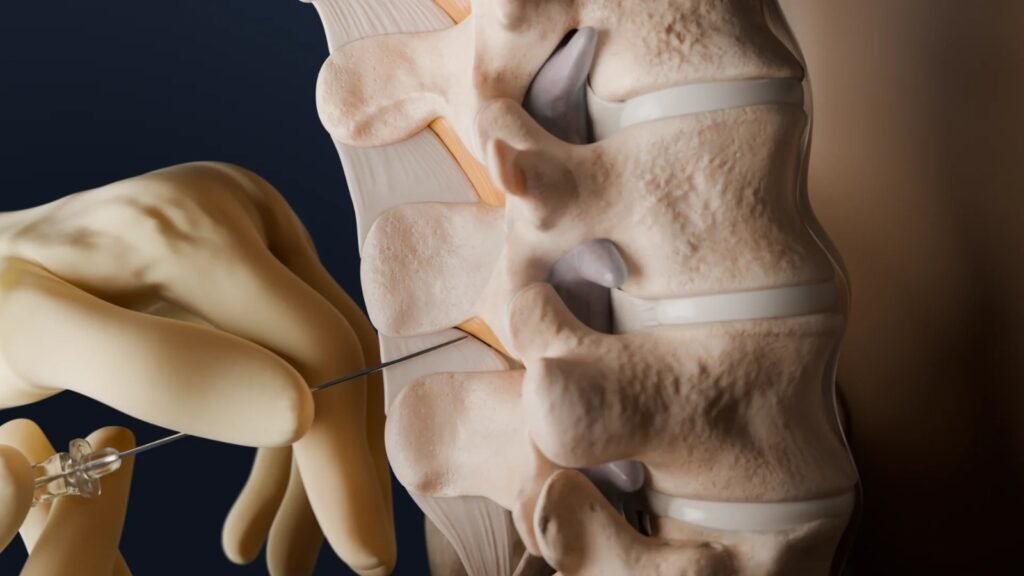
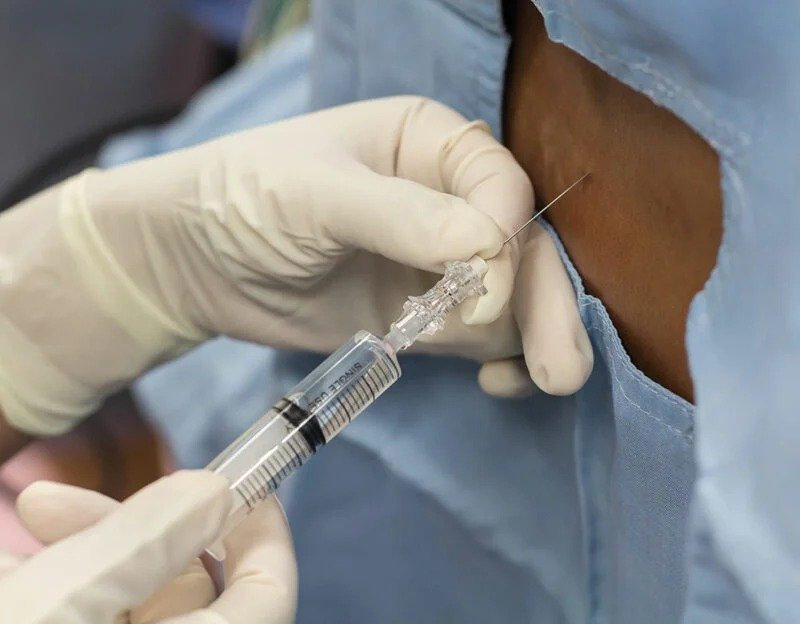
A single, focused injection into the subarachnoid space—quick, elegant, and potent.
It brings instant numbness below the chosen level, ideal for lower abdominal, pelvic, and lower limb surgeries.

Key Steps:

  1. Identify the L3-L4 or L4-L5 interspace.

  2. Use aseptic technique and local infiltration.

  3. Feel the “pop” as the needle enters the cerebrospinal fluid.

  4. Administer the precise dose—small, but powerful.

Spinal anesthesia is poetry in precision—tiny volume, total effect.

🎭 Epidural Anesthesia:
A more versatile, titratable technique—administered into the epidural space, just outside the dura mater.
It allows gradual onset, adjustable dosing, and prolonged pain relief—perfect for labor, major abdominal, or thoracic procedures.

Key Steps:

  1. Locate the epidural space using the “loss of resistance” technique.

  2. Thread the catheter gently for continuous infusion.

  3. Test dose to confirm correct placement.

  4. Adjust levels as needed—comfort, control, and continuity.

Epidural anesthesia is an orchestra—you conduct, adjust, and sustain the harmony.


🌈 Act IV: When Challenges Arise—The Calm Within the Storm

Even the most experienced hands can meet resistance.
Failed blocks, high spinal spread, or hypotension test both patience and preparedness.

The secret lies in anticipation, not reaction.

  • Always monitor blood pressure and oxygen saturation closely.

  • Be ready with fluids, vasopressors, and airway support.

  • Stay composed—because calm decisions save outcomes.

In regional anesthesia, vigilance is your safety net.


🌈 Act V: Recovery and Beyond—The Gentle Return to Feeling

The artistry of spinal and epidural anesthesia doesn’t end when the surgery does.
Recovery is the final movement of the symphony—where sensation, strength, and comfort gradually return.

🩺 Post-Anesthesia Care Includes:

  • Monitoring for hypotension, urinary retention, or headache.

  • Ensuring gradual motor and sensory recovery.

  • Providing effective post-operative pain control with epidural infusions if needed.

✨ The smooth transition from anesthesia to awareness marks the true finesse of the anesthesiologist.


🌟 Curtain Call

Spinal and Epidural Anesthesia represent more than just techniques—they embody the anesthesiologist’s promise of safety, comfort, and precision.
Behind every calm patient, every silent surgery, and every pain-free recovery stands a clinician who has mastered this delicate dialogue between nerves and needles.

It’s not merely about blocking pain—it’s about orchestrating stillness, trust, and healing.

So the next time you witness a serene surgery, remember:
Before the first incision, before the first heartbeat under the scalpel—
The story begins with Spinal and Epidural Anesthesia, the twin guardians of calm and control.


🌟Anaesthesia for Ophthalmology Surgery: A Complete Guide for Medical Students and Practitioners

Anaesthesia for Ophthalmology Surgery: A Complete Guide for Medical Students and Practitioners

Ophthalmic surgeries demand precision not only from the surgeon but also from the anaesthesiologist. The eye is a delicate organ, richly innervated and highly sensitive, making anaesthetic management a critical aspect of successful outcomes. Whether it’s a simple cataract extraction or complex retinal surgery, the anaesthesia technique plays a vital role in ensuring patient comfort, immobility, and safety.

In this article, we’ll explore the principles, types, and considerations of anaesthesia for ophthalmology surgery, helping medical students and practitioners understand this specialized field in detail.


🌿 1. Main Goals

  • Provide analgesia (pain relief)

  • Ensure akinesia (no eye movement)

  • Prevent oculocardiac reflex (OCR)

  • Maintain stable intraocular pressure (IOP)


💉 2. Common Anaesthetic Techniques

🟢 Topical Anaesthesia

  • Used in cataract surgeries (eye drops like lidocaine).

  • Simple and needle-free, but doesn’t stop eye movement.

🟢 Peribulbar Block

  • Injection around the eyeball (outside muscle cone).

  • Provides good pain relief and eye stillness.

🟢 Retrobulbar Block

  • Deeper injection inside the muscle cone.

  • Fast, effective, but with higher complication risk.

🟢 Sub-Tenon’s Block

  • Safer alternative using a blunt cannula.

  • Ideal for elderly or high-risk patients.

🟢 General Anaesthesia

  • For kids, anxious adults, or long surgeries.

  • Avoid coughing and straining to prevent IOP spikes.


3. Key Intraoperative Concerns

  • Oculocardiac Reflex: sudden bradycardia during eye manipulation → treat with atropine.

  • IOP Control: smooth induction, avoid coughing, and maintain normal CO₂ levels.


4. Postoperative Care

  • Calm emergence to prevent eye injury.

  • Manage pain, nausea, and provide eye protection.


🌟 Takeaway:
Ophthalmic anaesthesia is all about stability, precision, and safety. Choosing the right technique depends on the surgery type, patient profile, and teamwork between surgeon and anaesthesiologist.

For more concise anaesthesia notes and clinical tips, visit AnaesthesiaNotes.com.

Mastering Airway Management: The Lifeline of Every Breath

Mastering Airway Management: The Lifeline of Every Breath

Picture this: the operating room is a stage of precision.
The patient’s breath—the rhythm of life—flows like music, and the anesthesiologist? The skilled conductor, ensuring every note plays in harmony. This is the art and science of airway management—a discipline that blends calm focus, clinical mastery, and lifesaving reflexes.


🌈 Act I: The Gateway of Life

The airway is our most precious pathway—a bridge between breath and life.
Every anesthesiologist, emergency physician, or critical care specialist knows: control the airway, and you control survival.

But no two airways are the same. Each patient brings a unique challenge—whether it’s a narrow anatomy, swelling, trauma, or obstruction. The ability to predict, prepare, and protect the airway determines the outcome.

👉 Remember the golden rule: “Look, Listen, and Feel” — before you act, always assess.


🌈 Act II: The Pre-Flight Check—Preparation is Power

Before takeoff, a pilot checks every system. So does an anesthesiologist before securing an airway.

🩺 Assessment: Mallampati score, mouth opening, neck mobility, and facial structure.
🩺 Equipment Check: Laryngoscopes, endotracheal tubes, suction, oxygen supply, and emergency backups.
🩺 Planning Ahead: Always have a Plan A, B, and C—because airway challenges can surprise even the most experienced.

✨ In airway management, success isn’t about speed—it’s about readiness.


🌈 Act III: Techniques—The Art of Securing Breath

🎭 Bag-Mask Ventilation: The first skill every clinician learns—simple yet lifesaving.
🎭 Endotracheal Intubation: The gold standard for airway control, ensuring protection from aspiration and precise ventilation.
🎭 Supraglottic Devices: Laryngeal mask airways (LMAs) offer a quick, effective bridge in difficult situations.
🎭 Fiberoptic Intubation: The gentle, visual approach for complex or anticipated difficult airways.
🎭 Surgical Airway (Cricothyrotomy/Tracheostomy): The ultimate rescue technique when all else fails.

Each technique demands steady hands, sharp eyes, and a calm mind—the essence of airway mastery.


🌈 Act IV: The Storm—Difficult Airway Management

Even the best preparation can meet turbulence.
Unanticipated difficult airways test not only skill but composure.

In these moments, teamwork and protocols save lives. The Difficult Airway Algorithm serves as a roadmap—reminding clinicians to maintain oxygenation above all, avoid panic, and follow structured steps toward rescue ventilation or surgical access.

Every second matters, every breath counts.


🌈 Act V: Post-Extubation Care—Ensuring the Safe Landing

The airway journey doesn’t end once the tube comes out.
Post-extubation monitoring, oxygen support, and vigilance against airway edema or laryngospasm are vital. A smooth landing ensures that every patient breathes comfortably and safely after surgery or critical care.

✨ The true mark of an expert anesthesiologist lies not just in intubation—but in ensuring safe extubation.


🌟 Curtain Call

Airway management is more than a clinical skill—it’s the heartbeat of anesthesiology, the art of life preservation.
Behind every successful surgery, every revived patient, and every sigh of relief stands an anesthesiologist who mastered the airway with precision, patience, and presence of mind.

So next time you think of anesthesia, remember:
Before every surgery, before every breath—the story begins with Airway Management, the silent guardian of life itself.

🌟 Mastering Anaesthesia for Orthopedic Surgery: Ensuring Safety and Comfort

Mastering Anaesthesia for Orthopedic Surgery: Ensuring Safety and Comfort

Picture this: the operating room is like a precision workshop.
The patient is the central piece, vulnerable yet hopeful, and the anesthesiologist? The careful guide, ensuring every step of the surgical journey is safe, smooth, and pain-free. This is the art of anaesthesia for orthopedic surgery.


🌈 Act I: Understanding the Orthopedic Challenge
Bones, joints, and muscles may seem rigid, but each orthopedic surgery has unique demands. From joint replacements to fracture repairs, the procedure impacts not just the surgical site, but the patient’s entire physiological balance.

Administering anaesthesia for orthopedic surgery requires knowledge of the body’s responses—blood pressure fluctuations, fluid shifts, and nerve sensitivities.

👉 Key focus: “ABC”—Airway, Breathing, Circulation—foundational pillars to ensure safety before and during surgery.


🌈 Act II: The Anxiety Factor—A Patient’s Perspective
Surgery can be stressful for anyone. From preoperative nerves to fear of postoperative pain, patients often feel anxious. The anesthesiologist acts like a calm navigator, using clear communication, reassurance, and tailored sedation to create a sense of safety.

✨ Preoperative counseling, patient-friendly explanations, and supportive environments help transform fear into trust, making anaesthesia for orthopedic surgery a smoother experience.


🌈 Act III: Anaesthesia Techniques—Tailored for Orthopedic Surgery
🎭 General Anaesthesia → Provides complete unconsciousness for major procedures like joint replacements or spine surgeries.
🎭 Regional Blocks → Spinal, epidural, or peripheral nerve blocks numb specific areas, reducing postoperative pain and speeding recovery.
🎭 Combined Techniques → Using both general and regional anaesthesia offers safety, pain control, and comfort.

Each technique is carefully selected based on the patient’s age, medical history, and type of orthopedic surgery—precision that ensures both effectiveness and safety.


🌈 Act IV: Responding to Intraoperative Changes—Precision in Action
Orthopedic patients can experience sudden physiological shifts—blood loss, fluid changes, or nerve responses. The anesthesiologist must act quickly yet thoughtfully, adjusting dosages, maintaining oxygenation, and monitoring vital signs continuously.

Every second matters, and in anaesthesia for orthopedic surgery, vigilance is key to preventing complications and ensuring smooth outcomes.


🌈 Act V: Recovery and Pain Management—The Finishing Touch
Surgery doesn’t end when the last stitch is placed. Postoperative care focuses on smooth emergence from anaesthesia, effective pain management, and early mobilization.

Regional blocks, multimodal analgesia, and careful monitoring help patients regain comfort quickly, making recovery safer and faster. The goal: patients leave confident, stable, and pain-free.


🌟 Curtain Call
Anaesthesia for orthopedic surgery is more than just medicine—it’s strategy, vigilance, skill, and empathy combined. Every heartbeat, every breath, and every moment of comfort is carefully orchestrated by the anesthesiologist.

So next time you think of orthopedic procedures, remember: it is expert anaesthesia for orthopedic surgery that ensures the journey from operating table to recovery is safe, precise, and worry-free.

Mastering ENT Surgery: Restoring Breath, Voice, and Comfort

Mastering ENT Surgery: Restoring Breath, Voice, and Comfort

Picture this: the operating room becomes a stage of healing.
The patient is the performer—struggling with blocked breath, muffled voice, or chronic discomfort—and the ENT surgeon? The skilled conductor, orchestrating every note of treatment to bring back clarity, ease, and harmony. This is the delicate art of ENT surgery.


🌈 Act I: The Intricate Pathways of the Ear, Nose, and Throat
The ENT system is a crossroads of vital functions—breathing, hearing, swallowing, and speaking.
Even small issues can disrupt everyday life. Narrow airways, sinus blockages, or ear infections may seem minor but require careful attention. Precision in ENT surgery is about restoring balance without disturbing delicate anatomy.

👉 Think of it as “BVS”—Breathing, Voice, Senses—the three cornerstones of ENT health.


🌈 Act II: The Patient’s Journey—From Discomfort to Relief
For many, ENT problems bring fear, frustration, or embarrassment.
The surgeon must act not only as a healer but also as a guide—explaining conditions simply, offering reassurance, and making the experience less daunting. From children with enlarged tonsils to adults with sinusitis, every story is unique, and empathy is key.

✨ Friendly consultations, clear communication, and minimally invasive approaches transform anxiety into trust.


🌈 Act III: Surgical Techniques—Tailored to Every Condition
🎭 Endoscopic Sinus Surgery → Clears blockages, restores airflow, and relieves chronic sinus pain.
🎭 Tonsillectomy & Adenoidectomy → Helps children breathe and sleep better by removing obstructions.
🎭 Microscopic Ear Surgery → Repairs hearing issues and prevents infections.
🎭 Voice and Throat Surgeries → Restores vocal strength and ease of communication.

Each technique is chosen with care—based on age, condition, and lifestyle needs—like finding the perfect tune for every voice.


🌈 Act IV: Handling Emergencies—Quick, Skilled, and Safe
ENT emergencies—such as airway obstruction, nosebleeds, or ear trauma—demand immediate action.
The surgeon must respond with speed and precision: securing the airway, controlling bleeding, and preventing complications. Every second matters when vital functions are at stake.


🌈 Act V: Recovery—The Sound of Relief
Surgery isn’t just about the procedure—it’s about what follows.
Recovery in ENT surgery emphasizes comfort, pain control, and restoring normal functions—whether it’s breathing freely, hearing clearly, or speaking with confidence. The true success lies in giving patients a renewed sense of normalcy and relief.


🌟 Curtain Call
ENT surgery is more than medicine—it’s science, skill, and compassion working together.
Every breath regained, every word spoken with ease, every sound heard clearly is guided by the precision and empathy of the ENT surgeon.

So next time you think of surgery, remember: in the world of airways, hearing, and voice, it is ENT surgery that restores comfort, clarity, and quality of life.

Mastering Pediatric Anaesthesia: Ensuring Safety and Comfort for Young Patients

Mastering Pediatric Anaesthesia: Ensuring Safety and Comfort for Young Patients

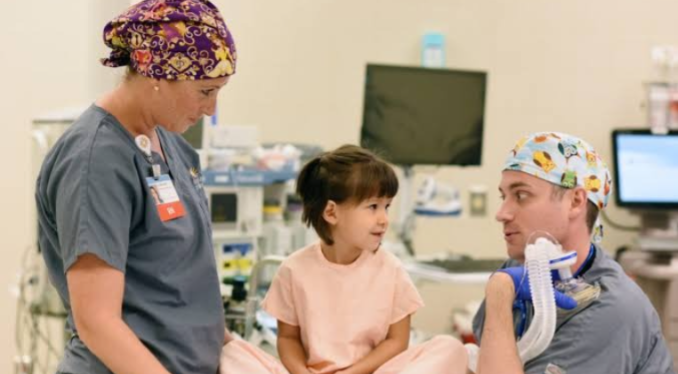
Picture this: the operating room is like a magical playground.
The child is the little explorer, curious yet anxious, and the anesthesiologist? The gentle guide, ensuring every step of the journey is safe, smooth, and stress-free. This is the delicate art of pediatric anaesthesia.


🌈 Act I: The Tiny Physiology Puzzle
Children are not just small adults—their bodies play by different rules.
Their hearts beat faster, their metabolic rates are higher, and their airways are narrower and more fragile. Administering anesthesia to young patients requires precision and a deep understanding of their changing physiology.

👉 Remember it like this: “ABC”—Airway, Breathing, Circulation—three pillars to focus on before proceeding with pediatric anesthesia.


🌈 Act II: The Fear Factor—A Child’s Story
Fear of the unknown is a big part of a child’s experience in the hospital.
From separation anxiety to fear of needles, the pediatric anesthesiologist must act like a storyteller, using gentle words, playful distractions, and calming techniques to make the child feel safe.

✨ Premedication options, friendly faces, and playful environments help transform the experience from scary to reassuring.


🌈 Act III: Anaesthesia Techniques—Tailored for Tiny Patients
🎭 Inhalational Induction → The sweet-smelling gases make the introduction to anesthesia gentle and non-threatening.
🎭 IV Induction → Fast and reliable, used when quick control of anesthesia is needed.
🎭 Regional Blocks → Pain relief techniques like caudal blocks or nerve blocks help manage post-op pain without the harsh side effects of systemic opioids.

Each technique is chosen carefully based on the child’s age, weight, and surgical procedure—just like selecting the perfect toy for every stage of growth.


🌈 Act IV: Handling Emergencies—The Fast and Thoughtful Response
Pediatric patients can change rapidly.
In emergencies, the anesthesiologist must act swiftly but wisely—adjusting doses precisely, maintaining oxygenation, and carefully managing blood pressure and temperature. Every second counts when tiny lives are involved.


🌈 Act V: Smooth Recovery—The Happy Ending
The procedure doesn’t end when the surgery stops.
Postoperative care in pediatric anesthesia focuses on gentle emergence from anesthesia, pain management, and keeping the child calm and comfortable. The goal is to help the little explorer wake up smiling and ready to continue their adventure.


🌟 Curtain Call
Pediatric anesthesia is more than just medicine—it’s patience, precision, creativity, and compassion all rolled into one.
Every small heartbeat, every little breath, every smile of relief is guided by the expert hand of the pediatric anesthesiologist.

So next time you think of anesthesiology, remember: in the world of tiny patients, it is pediatric anesthesia that ensures every child’s journey through surgery is safe, gentle, and worry-free.


🩺 Obstetrics & Gynecology: A Creative Journey into Obstetric Anaesthesia

Obstetrics & Gynecology: A Creative Journey into Obstetric Anaesthesia

Picture this: the delivery suite is like a stage.
The mother is the lead performer, the baby is the awaited star, and the anesthesiologist? The silent director in the background, making sure every scene unfolds smoothly. This is the hidden art of obstetric anaesthesia.


🌸 Act I: The Physiology of Pregnancy

Pregnancy changes the script. The mother’s heart beats faster, her blood volume expands, and her lungs have less room to breathe. These transformations make obstetric anaesthesia a delicate balancing act—oxygen is precious, airways are tricky, and circulation dances to a new rhythm.

👉 Remember it like this: “HOP”—Heart, Oxygen, Pressure—the three cornerstones to check before giving obstetric anaesthesia.


🌸 Act II: Labor Pain—A Story of Two Halves

  • First Stage Pain: Comes from uterine contractions and cervical dilation (T10–L1 nerves).

  • Second Stage Pain: Adds perineal stretching (S2–S4 nerves).

Here enters the hero—epidural block—the most widely loved form of obstetric anaesthesia, giving mothers relief without losing control of their performance.


🌸 Act III: The Techniques—Choosing the Right Brushstroke

🎭 Epidural → Slow, adjustable, perfect for long labors.
🎭 Spinal → Quick, powerful, ideal for C-sections.
🎭 CSE (Combined Spinal–Epidural) → A mix of both worlds.

Each choice of obstetric anaesthesia depends on timing, urgency, and the mother’s condition—just like choosing whether the story ends in a slow ballad or a dramatic finale.


🌸 Act IV: Emergencies—When the Curtain Must Rise Quickly

In an urgent C-section, there’s no time for poetry.
That’s when general anesthesia steps in—fast, decisive, but risky. In obstetric anaesthesia, this is the high-stakes act where seconds matter, and the director must act without hesitation.


🌸 Act V: Postpartum Harmony

Once the baby arrives, the stage doesn’t go dark.
Pain relief, smooth recovery, and maternal bonding still depend on well-planned obstetric anaesthesia. Regional methods allow the mother to hold her child sooner, making the final scene not just safe, but unforgettable.


🌟 Curtain Call

Obstetric anaesthesia is more than medicine—it’s theater, art, and science rolled into one.
Every breath, every contraction, every cry of new life is guided safely under its watchful hand.

So, next time you think of anesthesiology, remember: in the theater of birth, it is obstetric anaesthesia that ensures the spotlight shines brightly on both mother and child.

🧠 Whispering to the Brain: The Art of Neuro Anaesthesia Management

Whispering to the Brain: The Art of Neuro Anaesthesia Management

In the theatre of anaesthesia, some plays are quiet, precise, and high-stakes. Neuro cases are like that — elegant, dangerous, and unforgiving. Welcome to the cerebral realm of neuro anaesthesia management, where a single spike in pressure or drop in oxygen can alter someone’s memory, movement — even identity.

Let’s journey into the skull, where anaesthetists don’t just sedate — they safeguard consciousness itself.


🎭 Scene 1: The Brain, The Diva

The brain is a demanding organ. It consumes 20% of the body’s oxygen and hates surprises. The goal of neuro anaesthesia management is simple in words but complex in action:

  • Maintain adequate cerebral perfusion

  • Prevent brain swelling (↑ ICP)

  • Avoid hypoxia and hypercapnia

  • Control blood pressure with surgical precision

  • Provide smooth, safe emergence

One wrong move, and the star of the show may never return for an encore.


🗂️ Scene 2: Preoperative Planning with a Neurological Lens

Every patient is a unique puzzle. Before induction, neuro anaesthesia management starts with:

  • Reviewing neuroimaging (CT/MRI)

  • Understanding the lesion or pathology (tumor, aneurysm, AVM, trauma)

  • Assessing GCS, motor deficits, raised ICP signs

  • Knowing anticonvulsant status, steroid use, and neurosurgeon’s plan

This is more than history-taking—it’s neural detective work.


💉 Scene 3: Induction – Calm Entry into a Crowded Skull

Induction in neuro anaesthesia management is all about smoothness. No coughing, no bucking, no BP spikes. You’re not just inducing sleep—you’re protecting brain tissue.

Typical agents:

  • Propofol or Etomidate: For their neuroprotective properties

  • Fentanyl or Remifentanil: For blunting the stress response

  • Rocuronium: For excellent muscle relaxation without histamine release

Think of this as tiptoeing into the brain’s sacred temple.


📉 Scene 4: Intraoperative Mastery – Balancing the ICP Seesaw

Here’s where neuro anaesthesia management becomes a dance. Your goals:

  • Keep ETCO₂ around 30–35 mmHg for mild hyperventilation

  • Maintain CPP = MAP – ICP within safe range

  • Avoid volatile agents that increase cerebral blood flow

  • Use mannitol or hypertonic saline if needed for brain relaxation

  • Continuously monitor BIS, NIRS, or ICP when available

The brain swells easily, bleeds quickly, and recovers slowly. Your every adjustment is like a breath to a sleeping dragon.


🔄 Scene 5: Emergence – Graceful Awakening

Emergence is critical in neuro anaesthesia management. You need:

  • A fully awake, cooperative patient

  • No residual sedatives or neuromuscular blockers

  • Smooth extubation (no coughing, no spikes in ICP)

  • Immediate neurological assessment post-op

Your goal is to hand over a brain that’s just as sharp — or sharper — than it was before surgery.


🧾 Final Thoughts: The Mind Behind the Mask

Neuro anaesthesia management is the fusion of physiology, pharmacology, and intuition. It’s about more than numbers on a screen—it’s about preserving the most delicate network in the universe.

At AnaesthesiaNotes.com, we simplify complex neural concepts, provide high-yield notes, and give you access to practical tips that can help you become a cerebral protector — not just an anaesthetist.

❤️‍🔥 Inside the Beating Silence: A Creative Guide to Cardiac Anaesthesia Management

Inside the Beating Silence: A Creative Guide to Cardiac Anaesthesia Management

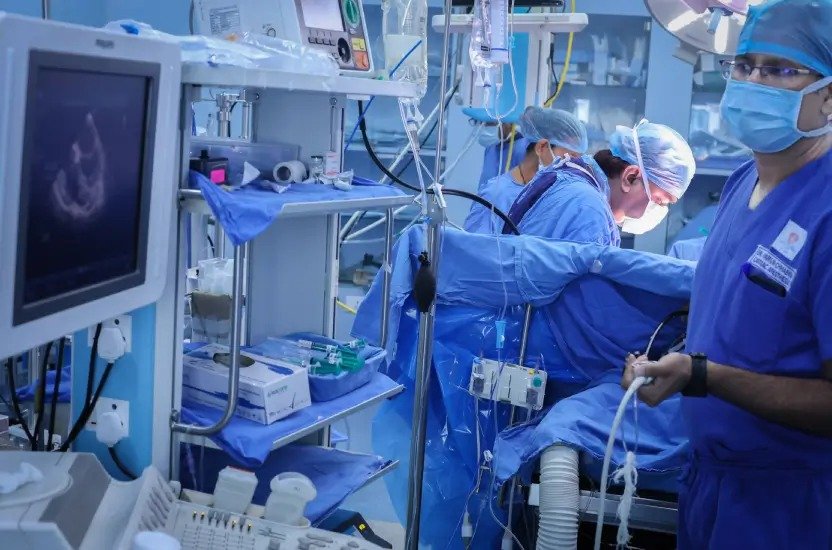
In the operating room where hearts are stopped, restarted, bypassed, and rebuilt—anaesthesiologists don’t just put patients to sleep; they orchestrate life at the edge of stillness.

Welcome to the world of cardiac anaesthesia management—where every second counts, every drug matters, and every beat is sacred.


🫀 Scene 1: Enter the Red Zone

Unlike general surgery, cardiac surgery is no ordinary scene. Here, the patient isn’t just vulnerable—they’re temporarily handed over to the machines. In cardiac anaesthesia management, your job is to:

  • Maintain hemodynamic stability

  • Balance oxygen delivery and demand

  • Monitor the heart like a hawk

  • Predict and prevent disaster

It’s a world where adrenaline isn’t just a drug—it’s your reality.


⚙️ Scene 2: Setting the Stage – Preoperative Planning

Every masterpiece begins with planning. Before entering the OR, cardiac anaesthesia management starts with deep understanding:

  • Patient History: CAD, valve diseases, arrhythmias

  • Echo Findings: EF%, wall motion abnormalities

  • Investigations: ECG, labs, angiograms

  • Risk Stratification: EuroSCORE, STS score

This phase is not just prep—it’s strategy.


💉 Scene 3: Induction with Precision

In non-cardiac cases, induction is routine. But in cardiac anaesthesia management, induction is a controlled storm. Hypotension can crash a sick heart; tachycardia can cause ischemia.

Typical agents used:

  • Etomidate (for its cardiovascular stability)

  • Fentanyl (for blunt stress response)

  • Midazolam (for anxiolysis)

  • Rocuronium or Pancuronium (depending on HR)

Smooth induction is not an option—it’s a necessity.


🩺 Scene 4: Monitoring the Invisible

Here’s where cardiac anaesthesia management shines in complexity. Standard monitors won’t suffice—you need:

  • Arterial Line: Beat-to-beat BP

  • Central Venous Line: CVP, drug access

  • TEE (Transesophageal Echo): Eyes inside the heart

  • Pulmonary Artery Catheter (sometimes): For cardiac output and wedge pressures

Your fingers may not be on the pulse, but your mind is wrapped around every waveform.


🛠️ Scene 5: The Bypass Ballet

When the surgeon shouts “Go on pump!”, everything changes. The heart is arrested, and the cardiopulmonary bypass (CPB) takes over. During this period of cardiac anaesthesia management, you must:

  • Monitor ACT (>480 sec)

  • Maintain perfusion pressure and temperature

  • Administer anaesthetics and muscle relaxants

  • Adjust electrolytes, glucose, acid-base balance

  • Prepare for weaning and possible inotropes

Your role is silent but life-sustaining.


🔄 Scene 6: Weaning & Rebirth

Coming off bypass is like restarting an engine with half its parts replaced. In cardiac anaesthesia management, this moment is critical. You’ll assess:

  • Rhythm and contractility (via TEE)

  • Blood pressure and perfusion

  • Bleeding status (ACT, heparin reversal)

  • Vasoactive support (dobutamine, norepinephrine)

You may be behind the curtain, but your decisions determine the standing ovation.


🧾 Final Note: The Heart Behind the Scene

Cardiac anaesthesia management isn’t just a subspecialty—it’s an art form. It demands calm under pressure, vigilance without rest, and an unshakable foundation in physiology, pharmacology, and technology.

At AnaesthesiaNotes.com, we celebrate the hidden hands that keep hearts beating through chaos. Explore our notes, case studies, TEE guides, and drug protocols to master the rhythm of cardiac care.

⚙️ The Heart of the OT: Understanding Anaesthesia Machine Components

The Heart of the OT: Understanding Anaesthesia Machine Components

The operating theatre is a battlefield—and the anaesthesia machine is the command center. Whether you’re an MBBS student, an anaesthesia postgraduate, or a CRNA in training, mastering the anaesthesia machine components is not just important—it’s essential.

This guide breaks down each part of the machine in a simple yet detailed manner, helping you grasp the core functions and safety mechanisms involved.


🧠 Why Know Your Machine?

Before you deliver gases, adjust ventilator settings, or monitor a patient’s life signs, you must know what lies beneath the knobs and screens. The anaesthesia machine components are carefully designed to:

  • Deliver precise gas concentrations

  • Prevent hypoxia

  • Control ventilation

  • Ensure patient safety under sedation

One mistake can be fatal. That’s why this is one of the first concepts taught in anaesthesia training.


🛠️ Major Anaesthesia Machine Components You Must Know

Let’s go step-by-step, following the gas flow—from source to patient.


1. Gas Supply System

  • Cylinders: Provide backup oxygen and nitrous oxide.

  • Pipelines: Primary source from the hospital supply.

  • Pressure Regulators: Reduce high pressure to usable levels.

These components ensure that the gases are available at the right pressure. In exams and viva, these are always hot questions under anaesthesia machine components.


2. Flowmeters

  • Measure and control gas flow rates (usually in L/min).

  • Color-coded for each gas (O₂ = green, N₂O = blue).

  • Must always place O₂ flowmeter nearest to the common gas outlet for safety.

Flowmeters help fine-tune anaesthetic delivery. Never underestimate their role in the safe use of anaesthesia machine components.


3. Vaporizers

  • Convert liquid anaesthetic agents (e.g., Isoflurane, Sevoflurane) into vapour form.

  • Provide a controlled concentration of the agent mixed with carrier gas.

  • Calibrated and agent-specific.

This is one of the most critical anaesthesia machine components because it determines the depth of anaesthesia.


4. Breathing System (Circle System or Bain System)

  • Connects machine to the patient.

  • Includes inspiratory/expiratory limbs, reservoir bag, APL valve.

  • Filters CO₂ via soda lime in closed systems.

Understanding this part of the anaesthesia machine components helps you manage ventilation, rebreathing, and gas economy effectively.


5. Scavenging System

  • Captures and removes excess gases.

  • Prevents pollution of OT air with waste anaesthetic gases.

  • Includes vacuum source and reservoir bag.

Never forget: this component protects you, not the patient. It’s a frequently missed part of the anaesthesia machine components list in exams.


6. Safety Features

  • Oxygen Failure Alarm

  • Hypoxia Prevention Safety Valve

  • Check Valves and Pressure Relief Valves

These are the silent guardians built into the system. Knowing these ensures that you can troubleshoot failures and respond during emergencies.


🔄 Mnemonic to Remember Key Anaesthesia Machine Components

G-F-V-B-S-S
Gas supply → Flowmeters → Vaporizers → Breathing system → Scavenging → Safety mechanisms


📚 Final Notes

The anaesthesia machine components are more than just parts of a device—they are your allies in patient safety and clinical efficiency. Every button, valve, and gauge has a purpose. Learn them not just for exams, but for the lives you’ll one day protect.

To explore this topic in diagrams, infographics, and case-based Q&As, visit: AnaesthesiaNotes.com